
EMalahleni
Cassandra Swartz
Between 2019 and 2022, the TROPOMI instrument observed several large emissions of methane near the city of EMalahleni, located east of Johannesburg in the Mpumalanga province of South Africa. South Africa is the largest emitter of carbon dioxide of any country on the African continent, the second most carbon-intensive economy in the world, and the 15th largest emitter of carbon dioxide worldwide despite ranking 24th in terms of population size. Mpumalanga province is itself home to the single largest carbon dioxide emitter in the world: the Sasol coal-liquefaction plant, which produces petroleum-like synthetic crude oil from coal. The emissions observed at (-26.07, 29.31) are the likely result of the coal extraction lifecycle from a processing plant, venting during mining activity, or from one of the region's many abandoned mines.
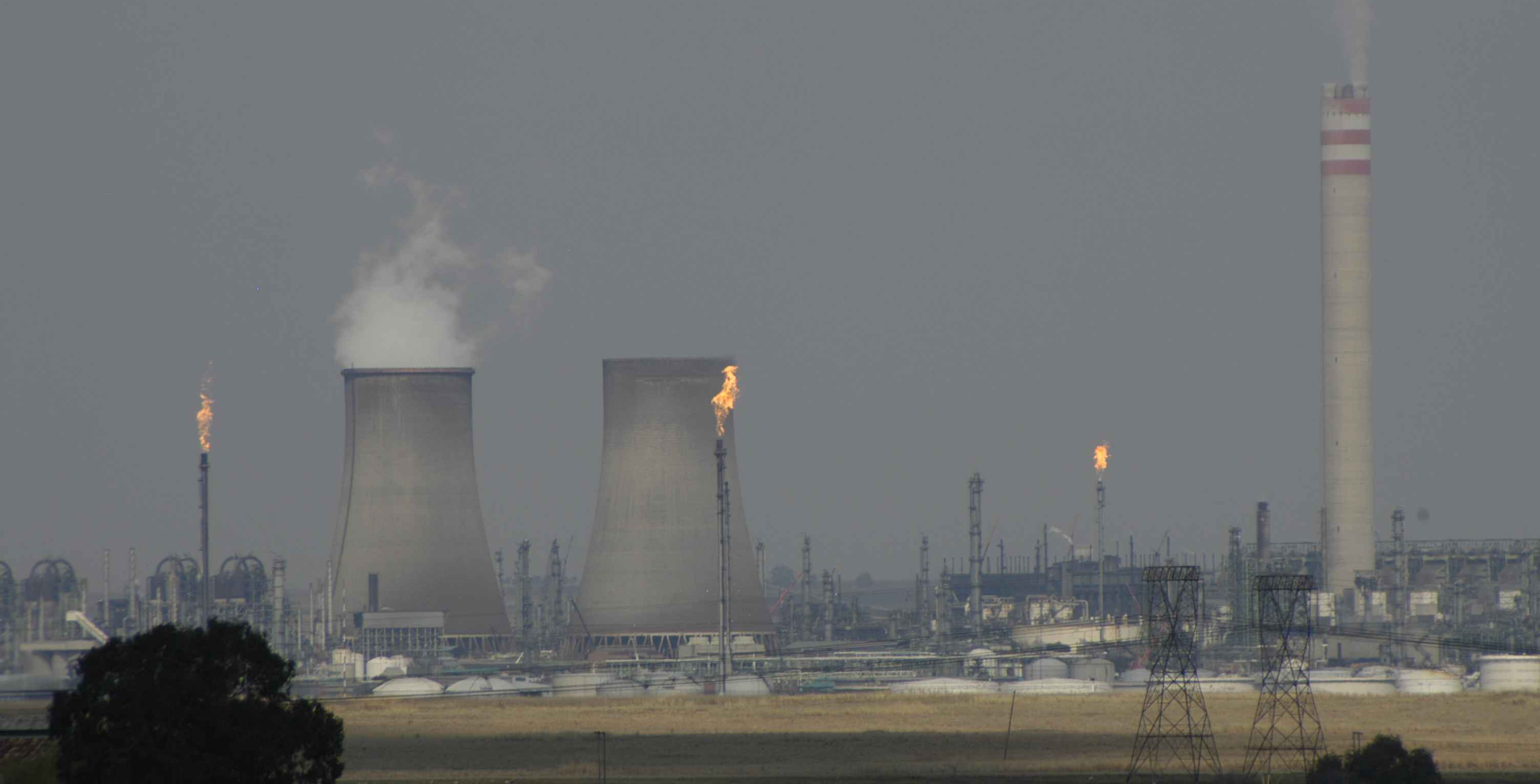
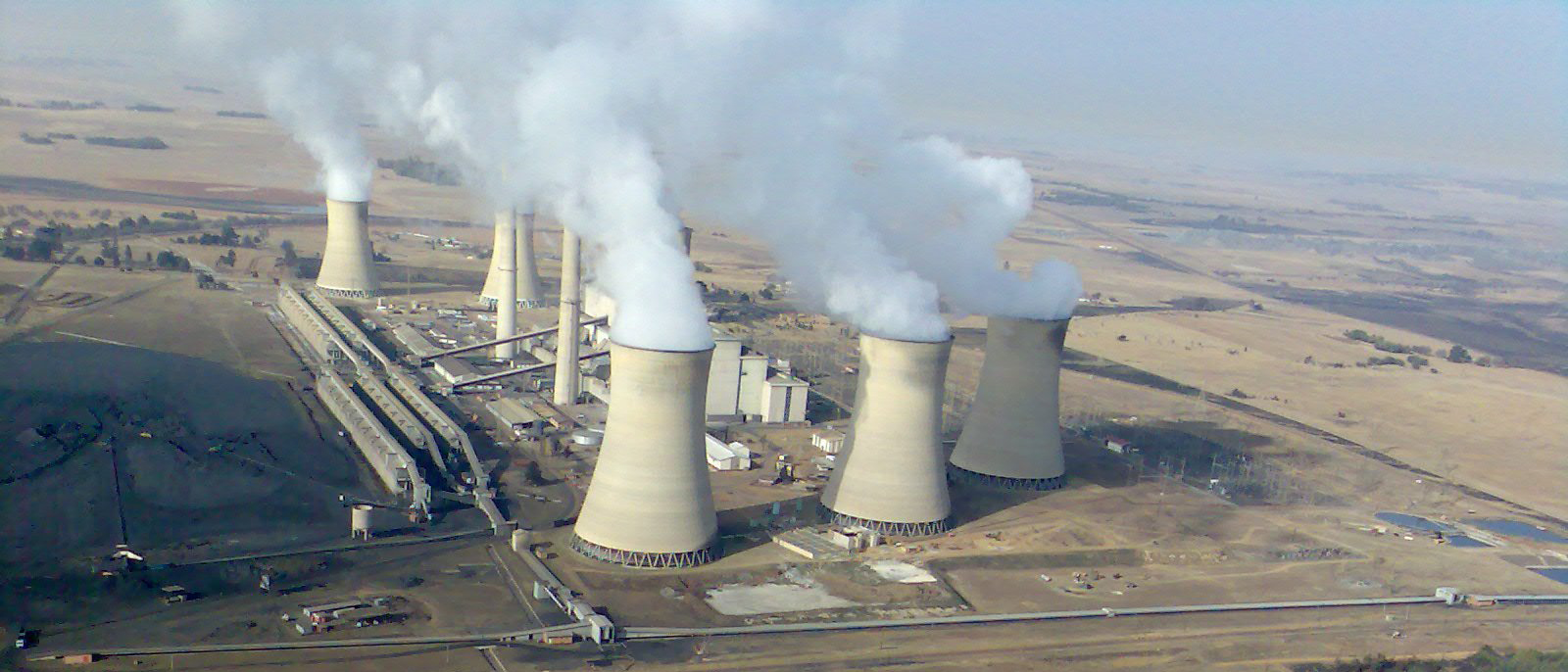
Electricity in South Africa is almost exclusively provided by the public utility company Eskom, which operates the majority of its coal-fired plants within the Mpumalanga province. Currently, coal provides 86% of the country's electricity and —through coal liquefaction— around half of the country's liquid fuel. The mining sector is crucial to the South African economy, contributing more than 7% to the country's GDP in 2022 and powering a significant portion of the country's economic activity. Coal mining in Mpumalanga began in the mid-19th century and accelerated with the discovery of diamonds and gold in the 1870s and 1880s. Growing global energy demands and South Africa's ability to produce cheap and readily available coal-generated electricity led to significant economic development, particularly after the Second World War.
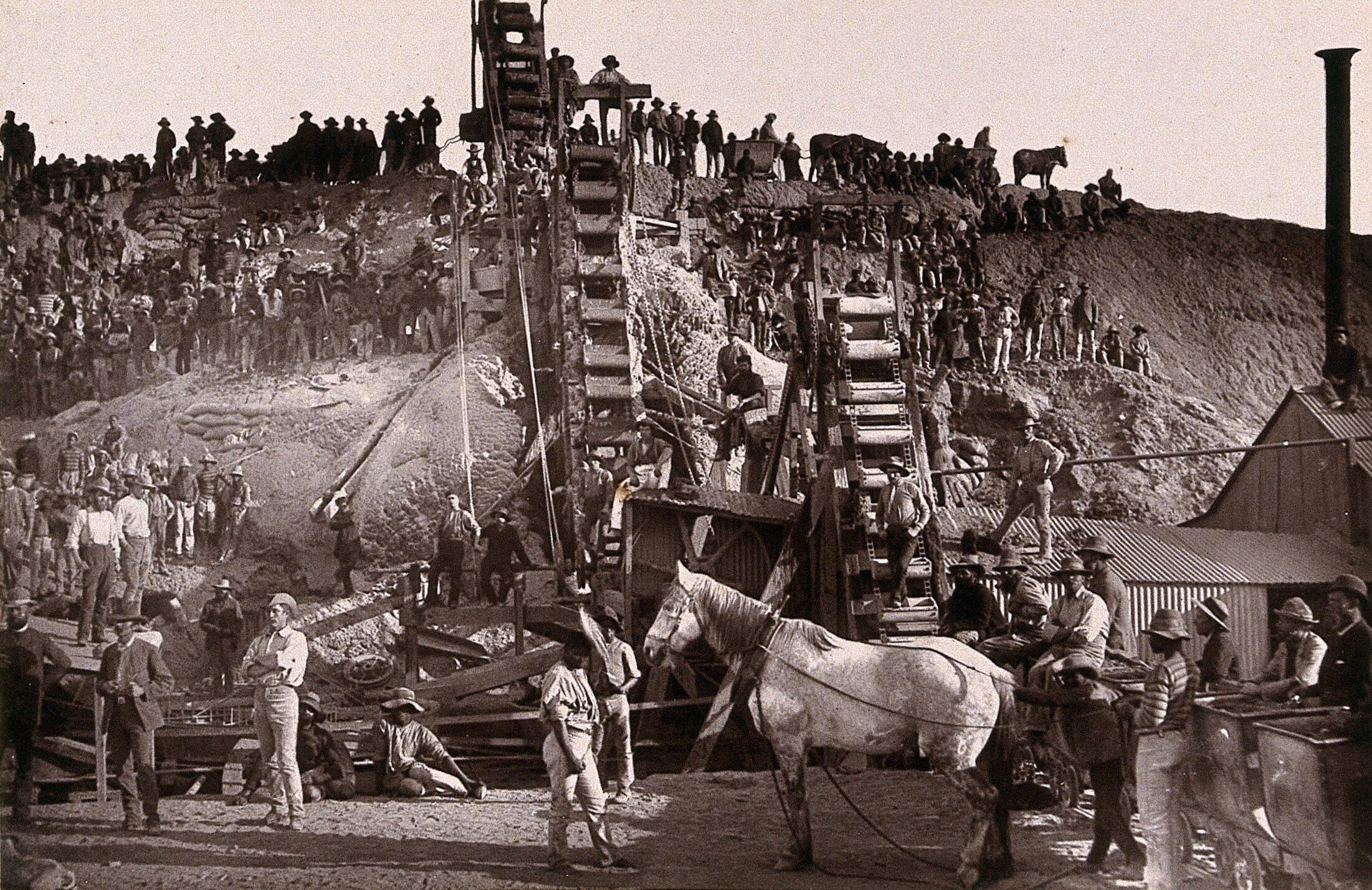
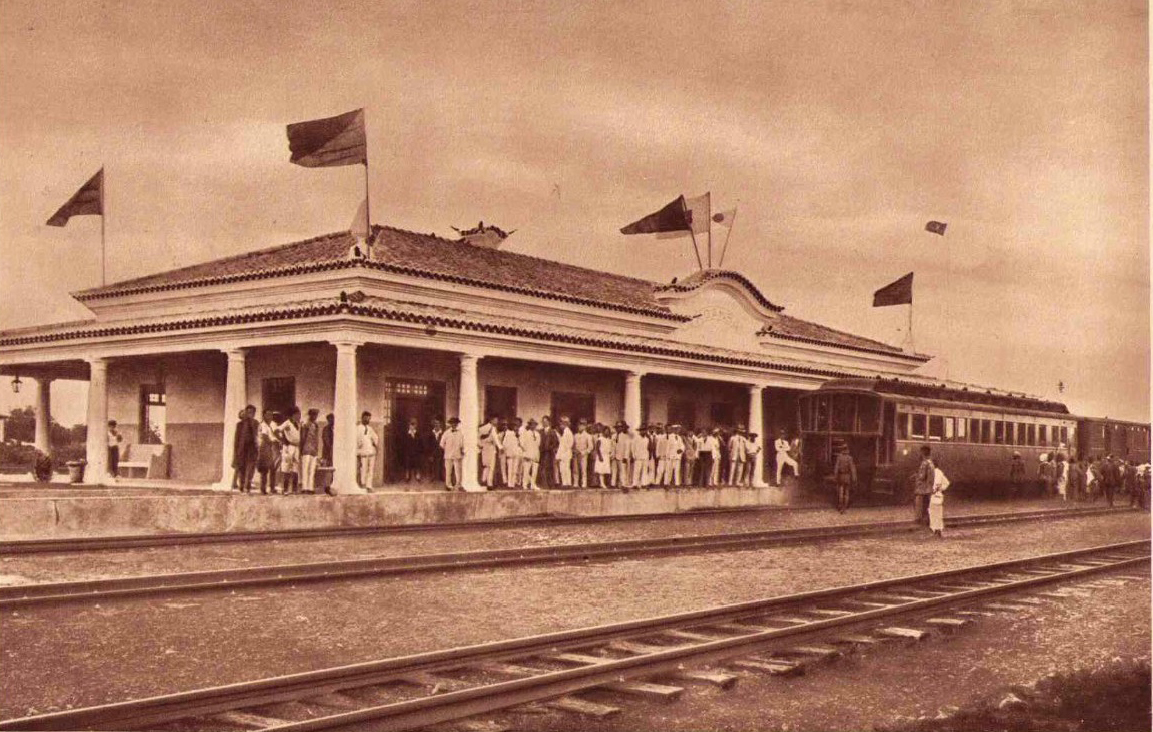
Originally founded as Witbank, the city of EMalahleni in Mpumalanga province has long been at the center of South Africa's mining and heavy industry. In 1890, construction of the Delagoa Bay railroad, which connected Pretoria to the Port of Maputo in Mozambique, linked the region to markets and facilitated the growth of mining. In 1899 during the Boer War, a young Winston Churchill took refuge in a Witbank coal mine while on the run from the Boers after traveling to South Africa to report as a war correspondent. In 2006 the city was renamed "EMalahleni," a Zulu word meaning "place of coal," though many locals still refer to it as Witbank. Beyond the city itself, the EMalahleni Local Municipality is comprised of rural towns and over two hundred smaller villages.
Prior to the 1990s, South African mines relied on a system of migrant labor, with most miners coming from Mozambique. Labor in the mining industry was strictly segregated by race, with staff jobs reserved exclusively for white individuals and black individuals relegated to manual labor. During apartheid, harsh limits on family housing for black laborers were enforced and resulted in the majority of black miners living in hostels. Among other factors, this forced separation of black miners from their families led to the degradation of familial structures and the spread of HIV and AIDS in the region. Despite the end of apartheid, the impacts of labor in mining and heavy industry continue to be divided along racial lines. The geographical divisions between communities are still shaped by segregationist policies, with minority and low socio-economic communities living in areas exposed to hazardous waste while white and more affluent communities live in areas upwind; Gabrielle Hecht, a professor of history at Stanford University, remarks that even though apartheid is over, "You can [still] see apartheid from space." Over the years, miners have demanded better working conditions and increased black ownership of mining rights.
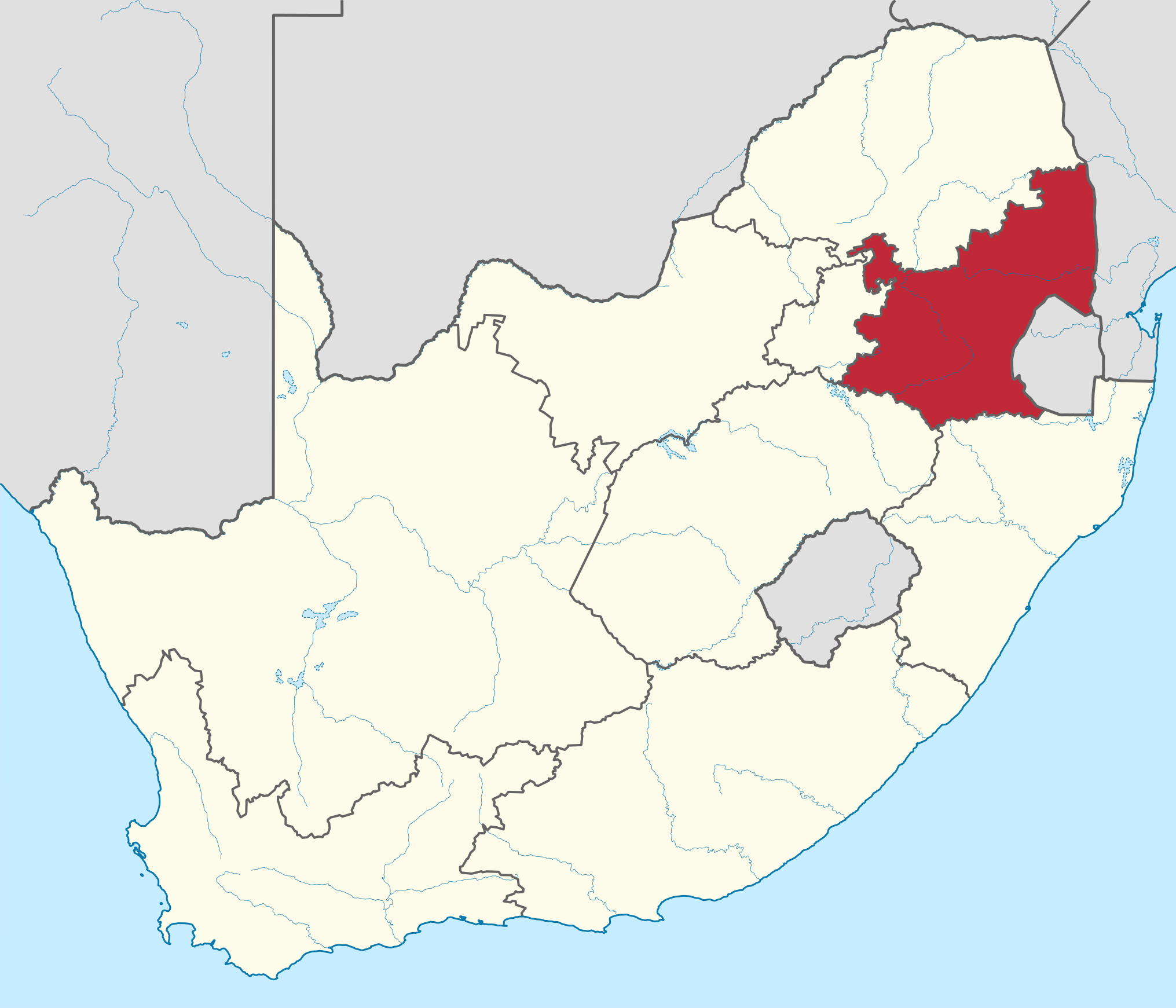
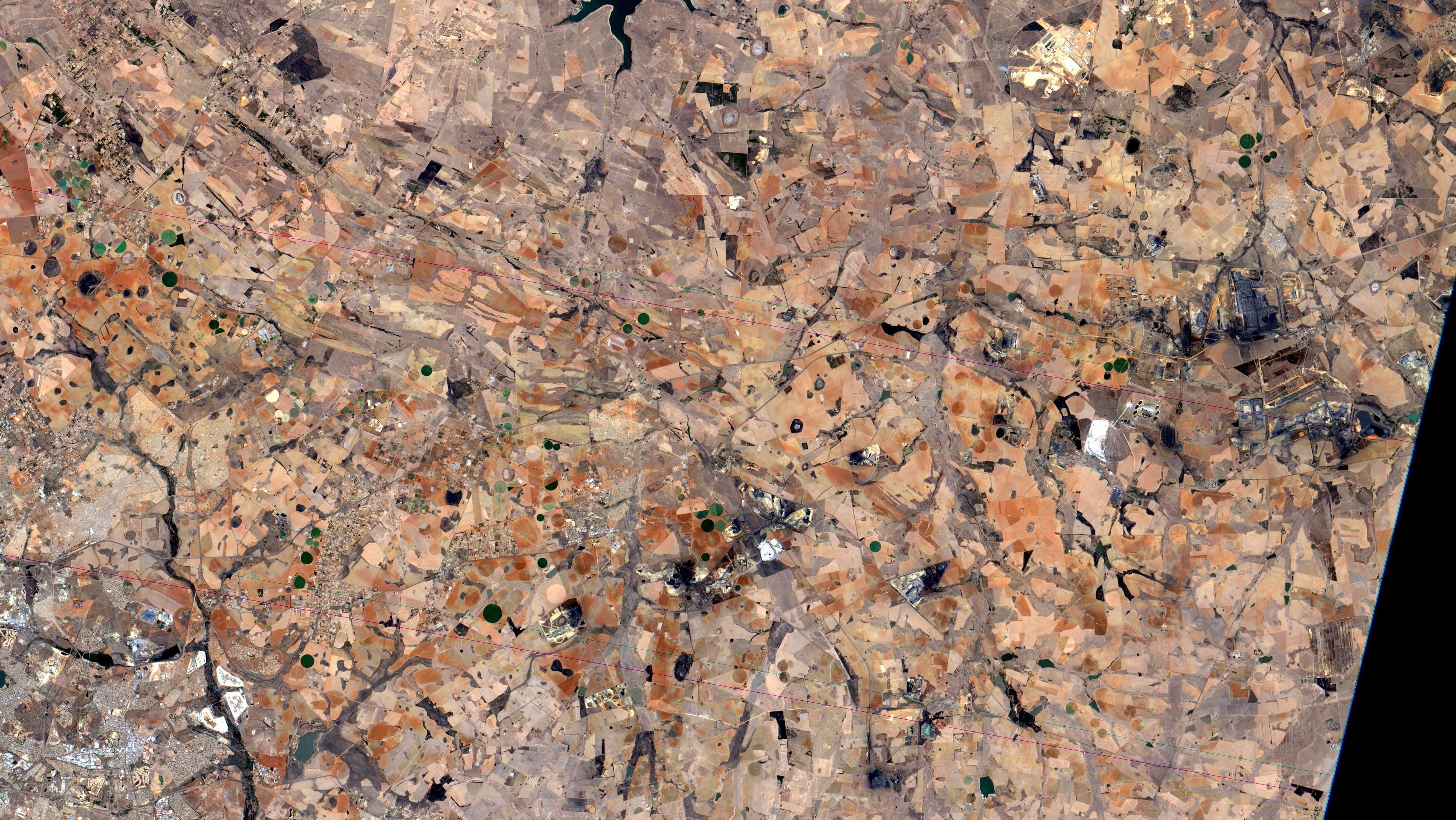
The weight of the country's history and of the mining industry is heavily felt in the city EMalahleni and the Mpumalanga province. Within Mpumalanga, there are at least 70 coal mines and over 46,000 households rely on a family member who works in a coal mine. Of South Africa's fourteen coal-fired power plants, twelve are located in Mpumalanga. Two of the five largest coal mines in South Africa are located in the province: the Middelburg Mining Services complex, owned by Seriti Resources, and the Twistdraai Thubelisha Mine, owned by Sasol. The Middelburg mine is a surface mine that utilizes open pit mining, a technique that removes soil and rock on top of the ore through rope shovels or hydraulic excavators. Its owner, Seriti Resources, identifies itself as "91% black-owned and controlled" and "Eskom's largest black-controlled coal supplier," operating three underground coal mines in addition to the Middelburg complex, which it acquired in 2021. The Twistdraai mine is an underground mine that utilizes room-and-pillar mining, in which miners extract coal along roadways, with the coal between the rooms serving as pillar supports. The mine, part of Sasol's larger operations in Secunda, was opened in 1980 to provide coal for Sasol's synthetic fuel plant.
Over a century of extraction has taken a toll on the landscape of Mpumalanga. Even beyond their lifespans as active sites of extraction, EMalahleni's coal mines pose a variety of risks to plant, animal, and human life in the province. As of 2021, South Africa has approximately 6,100 mines classified as derelict and ownerless, with less than 0.7 percent of abandoned mines rehabilitated as of 2017. When coal mines are shuttered without a complete mine closure process, they can contribute to highly acidic and heavy metal pollution of ground and surface waters, loss of productive land, spontaneous combustion of exposed coal, and greenhouse gas emissions including the type of methane emissions observed by TROPOMI. Both active and abandoned coal mines also emit methane. The invisible gas, once trapped in coal seams, leaks out through vent holes or fissures and cracks in the ground. Visual similarities of satellite images of abandoned mine pits identified by Human Rights Watch and the 1800 Histories data show that locations identified as methane hotspots —(-26,08, 29.27) and (-26.07, 29.31)— are in close proximity to derelict coal mines. These abandoned mines can create sinkholes, and when flooded produce highly salicylic acid mine drainage and large heavy metals that drain into the tributaries of the Olifants River.
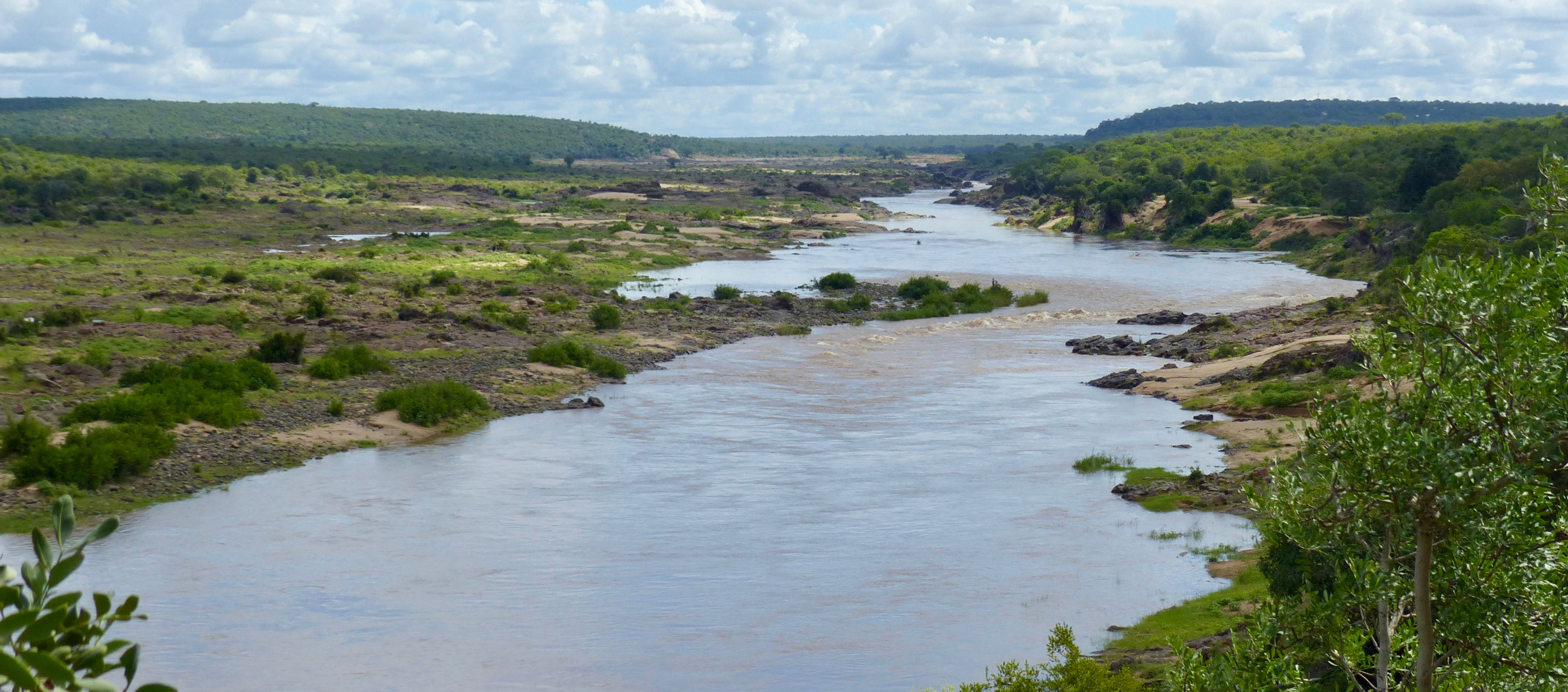
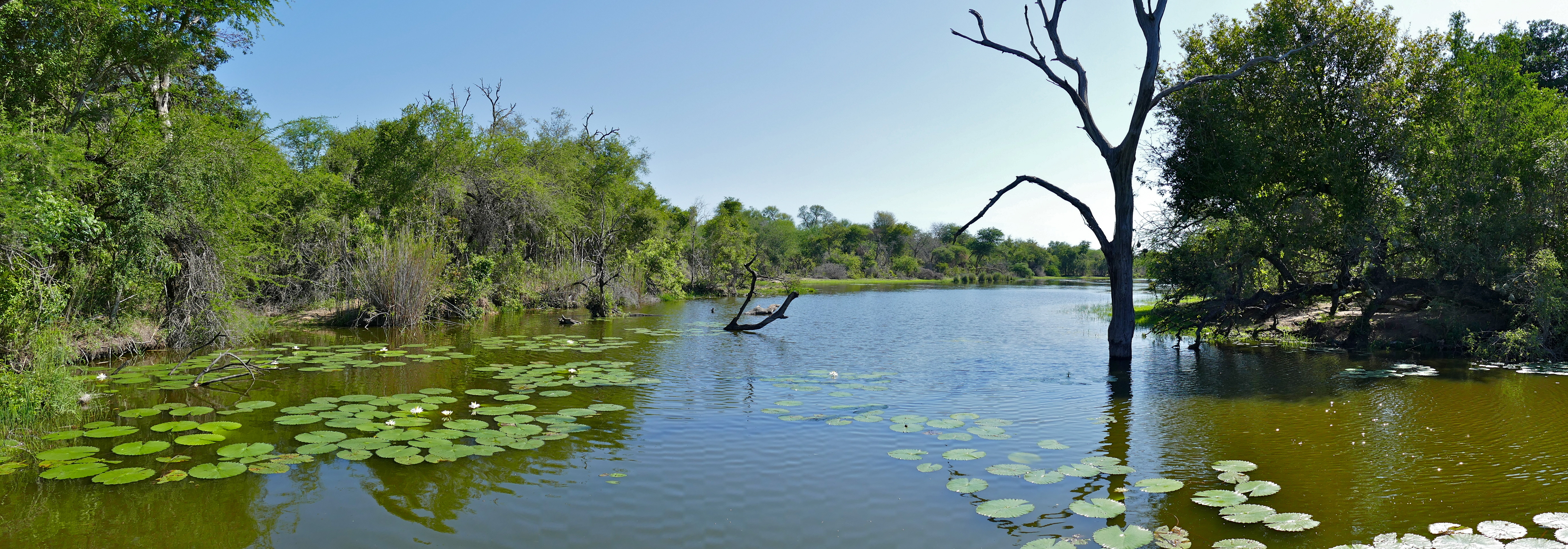
Due to pollution problems, residents in Mpumalanga report not drinking tap water for fear of getting sick. In 2012, the residents in the town of Carolina went without access to clean water for nine months after rainstorms flooded the area. Samples of EMalahlehni's rivers have a much higher percentage of "critically endangered" signatures than the Mpumalanga Province as a whole, indicating a threat to biodiversity and ecological processes. The Mpumalanga Lakes District, home to 38 lakes known for their extensive frog and bird life, is at risk of becoming "lifeless and toxic" due to the lakes' inability to discharge pollution from heavy industry. The abandoned mines pose other dangers: not understanding the depth of the mine shafts, local children swim in flooded abandoned mines. In 2016, 17-year-old Xolani Mthembuu and 14-year-old Sifiso Yende drowned in an abandoned coal mine on the northern outskirts of Ermelo in Mpumalanga province.
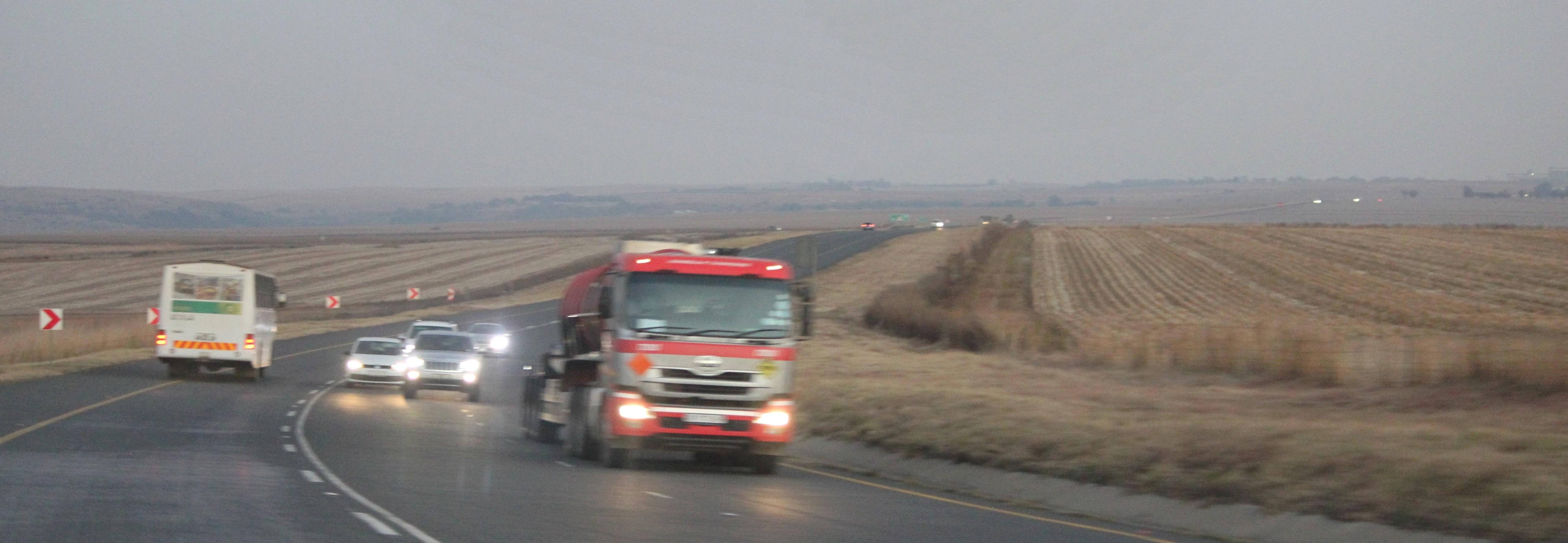
Residents of EMalahleni also face air pollution from its many coal mines, metal smelters, and coal-fired power plants. Heavy industry facilities emit pollutants including sulfur dioxide, nitrogen dioxide, particulate matter, and mercury. Dumps of coal waste located near low income and marginalized communities expose residents to various hazards, and living in proximity to coal dumps is associated with higher rates of "asthma, pneumonia, emphysema, chronic bronchitis, wheeze and chronic cough." The use of "duff" —fine, low quality coal— in power plants further contributes to regional air pollution. A temperature inversion layer —a winter meteorological phenomenon— traps pollutants in the lower atmosphere, exacerbating the poor air quality conditions. Authors of a study at University of the Witwatersrand, South Africa, wrote that "Thick smog will greet you when you drive on the South African N4 highway into the Mpumalanga Highveld region. … If you arrive early in the morning to eMalahleni… you will see thick clouds of hovering smoke." Authors of a 2010 study noted that the hostess of their bed and breakfast in EMalahleni pointed out the 'silvery particles' and 'dust' that had gathered on the location's breakfast tables, a result of local heavy industry activities. Poor air quality can lead to "premature deaths, heart and lung diseases, and cancer" as well as "[cause] or [exacerbate] underlying conditions such as asthma, emphysema, bronchitis, and tuberculosis." A 2022 study from Greenpeace estimated that "2,200 to 2,700 premature deaths are caused each year by the air pollution emissions from Eskom's coal-fired power plants, including the deaths of 200 young children."
Despite environmental and health concerns, residents of EMalahleni remain highly dependent on coal for their livelihoods. As noted in the city's 2023-2024 Integrated Development Plan, mining comprises around 40% of the local economy. The report notes that the city's Tress index —a value from 0 to 100 that reflects the diversity of industries in the local economy— is 56.89. In 2022, the Mpumalanga Department of Economic Development and Tourism reported that the province as a whole had a Tress index of 38.7, which was lower than South Africa's national score of 45.6. This indicator reflects the fact that, while Mpumalanga province itself seems to perform better than other provinces in terms of economic diversification, "[t]he local economy [of EMalahleni] is not diversified… due to the mining industry which contributes the most to the local economy." A 2023 study on the social impacts of decarbonization found that labor markets overspecialized in energy extraction generally experience short-term gains in employment and investment, but that in the long-term this dynamic prevents economic diversification. Especially in the rural villages outside of the city, life in EMalahleni Local Municipality is characterized by high unemployment, low-level subsidence farming, and reliance on social grants and remittances. The official unemployment rate in South Africa as a whole sits at over 32% in 2024, one of the highest in the world. In these economic conditions, mining jobs are highly valued despite negative health impacts, including Black Lung disease.
In recent years, there have been both local and international efforts to reduce South Africa's reliance on coal and transition to renewable energy. In 2022 the South African government announced the Just Energy Transition Investment Plan (JETP), which promises the retirement of the country's aging coal power plants over the next three decades and allocates resources to the development of clean and renewable energy infrastructure. While Western nations pledged $8.5 billion for South Africa's "decarbonization" and transition to renewables at COP26 in 2021, the true cost of the shift is estimated at over $46 billion. The South African coal industry employs around 90,000 people, whose jobs must be replaced. Yet despite the pain it may cause, a transition now seems inevitable. "The facts are that there [are] no new coal [facilities] being built," says one energy analyst quoted in Reuters. "No bank will fund new coal in South Africa, not even the Chinese banks."
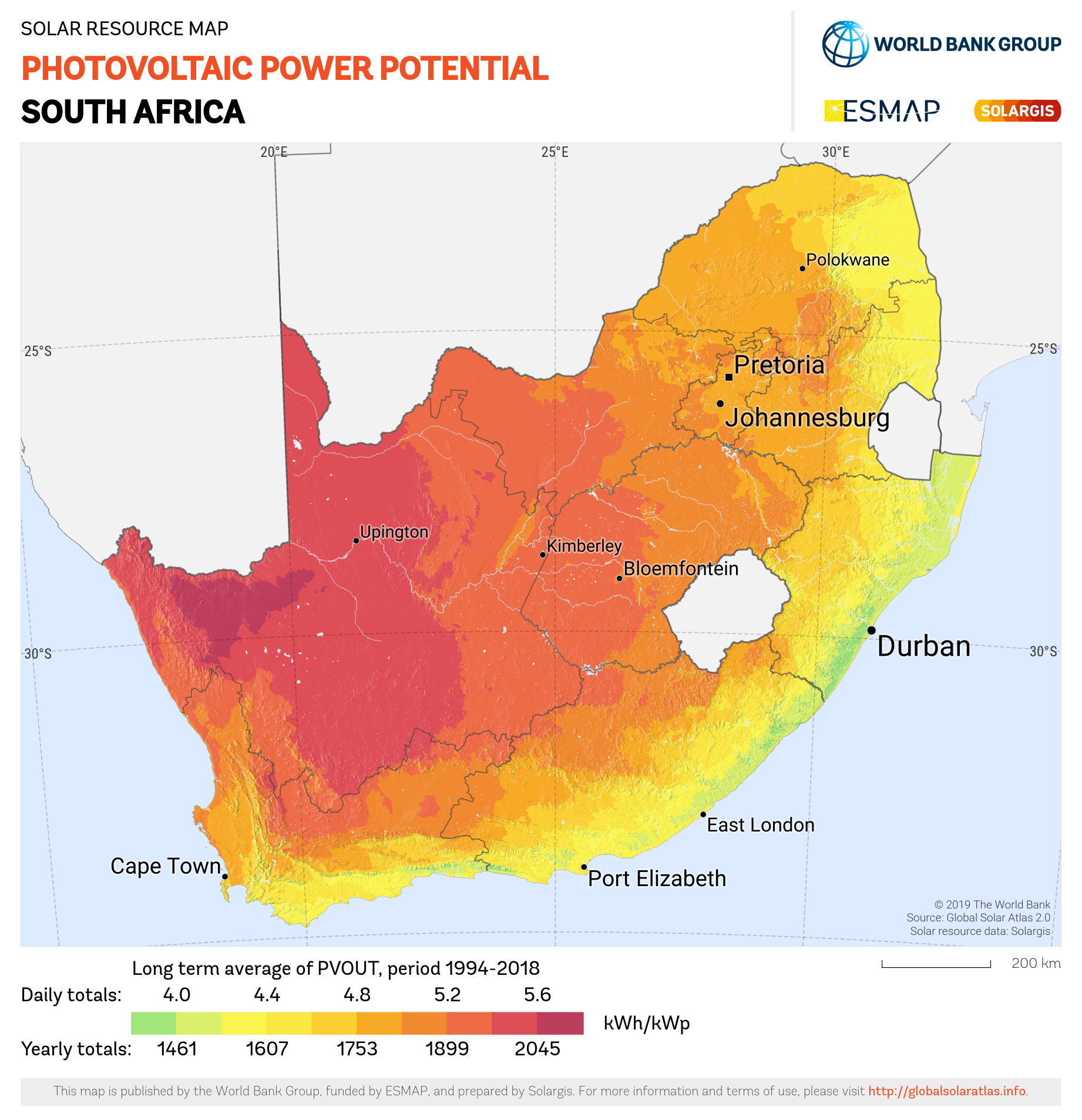
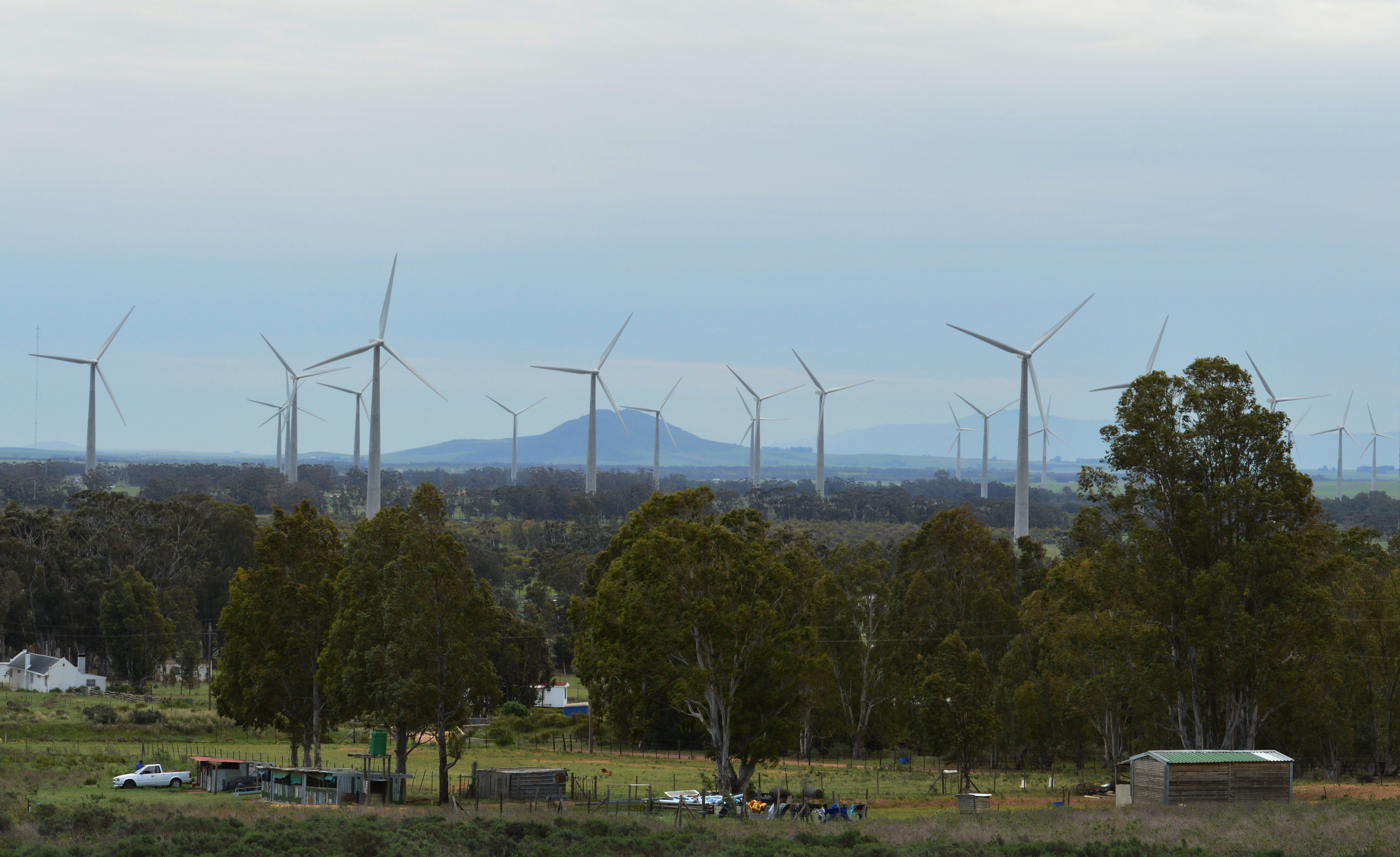 A transition to renewables is particularly important to Mpumalanga, since the province "is home to six of the nine Eskom coal-fired power stations scheduled to shut down by 2035, terminating 15GW of power and putting up to 55,000 jobs at risk." A 2019 assessment by South Africa's Department of Forestry, Fisheries, and the Environment showed there is significant resource potential for both solar and wind in Mpumalanga. Because Mpumalanga hosts the majority of Eskom's power stations, the province is well positioned for the future of renewable energy infrastructure. As early as 2016, the Mpumalanga Provincial Government published a Mpumalanga Green Economy Development Plan that outlines plans aimed to shift Mpumalanga's dependency on coal-based energy towards wind, solar, and "biomass" energy from plant-derived materials.
 As of 2024, Mpumalanga is making some progress toward these goals. Data collected and analyzed by the Oxpeckers #PowerTracker project reveals a sharp increase in renewable energy projects announced in Mpumalanga since 2021. Together these recent projects, 35% of which are privately funded, could produce a "total of at least 1,200MW – equivalent to about six coal power stations, if they were connected to the national grid." Of the 67 total tracked projects, the majority are solar farms. Other projects include a 210MW wind farm near the Hendrina coal power station set for completion in 2026. This joint venture between electricity trader Apollo Africa and German renewable energy company Enertrag is "in the final stages of securing a crucial grid-connection budget quote from Eskom." Recently, the coal mining group Seriti Resources announced plans for a "massive 900MW wind farm" in Mpumalanga, between Bethal and Morgenzon. The project, to be completed in 2027, will supply 75% of power consumed by the company's coal mines as well as electricity for half a million households. Other clean energy projects in the province include the development of three "green hydrogen" projects: the Sasol Hyshift project in Secunda, the Camden Green Hydrogen and Ammonia facility in Ermel, and the Hydrogène De France (HDF) development in Standerton. The HDF development is the largest of these projects, with a $3 billion investment that promises to provide 1.9 terawatt hours of electricity into the power grid from green hydrogen power plants developed on land leased from Eskom near two of its existing coal-fired plants.
However, JETP projects in Mpumalanga and South Africa at large have been politically divisive. From the beginning, critics have questioned whether the just energy transition promised by JETP would in fact be "just." Nkateko Chauke, program director at Oxfam South Africa, has noted that the structure of foreign aid as loans rather than grants meant JETP was "prioritizing private-sector profit opportunities in infrastructure provisioning while the state assumes the risk." In another critique, South African scholar and activist Alex Lenferna proposed that South Africa's claims for climate finance and reparations could only be justified if they "help to transform South Africa's deeply unjust society and bring benefits not to the rich elite… but to the majority, especially the poor, Black and working class." Recent developments suggest that JETP's impact on this metric may be lacking. In 2022, South Africa shuttered the Komati Power Station, a 1,000MW coal-fired power station in Mpumalanga. With almost $500 million from the World Bank, Eskom "aimed to convert it into a renewable energy generation site powered by 150MW of solar, 70MW of wind and 150MW of battery storage." The result was an "unmitigated disaster" and "an atomic bomb of social discord," according to Eskom's new chief executive Dan Marokane. The town of Komati was built around the power plant, which at times employed two-thirds of the residents. Without proper planning, the plant's closure did not feel like a "just transition," but rather a transition to permanent unemployment. Peter Venn, CEO of renewables company Seriti Green, pointed out the difficulty in transitioning to technologies that are less labor-intensive: "a coal mine employing 1,000 people could be replaced by a wind farm employing 50 people."
The closure of Highveld Steel in EMalahleni in 2016 is another case study of what heavy industry workers face when facilities close. After the closure, former steel workers sought informal employment as day laborers, exposing them to high employment insecurity, physical injury, and insecure wages. Having entered the informal labor market, many laborers were unable to enter or re-enter the formal economy. The consensus from interviews with coal workers employed in mines throughout South Africa also reveals an aversion to reskilling in the renewable energy sector due to perceptions of fewer employment opportunities, lack of a clear compensation system, and mistrust of local governments and authorities. Economists have characterized the labor market dynamics of such "mono-industry boomtowns": lacking alternative employment options, residents underinvest in education and often begin their careers before completing high school. This leaves them "unprepared for economic transformation" — a transformation that is leaving many South African workers in a state of uncertainty.
 Speaking in 2024, a local resident laid off from the Komati plant aired his frustrations about JETP: "Komati was a place of happiness, of life… It's been two years… Two years that I haven't been working." A woman in Mpumalanga told researchers at South African Research Watch, "I would rather deal with the climate change problems than have a hungry stomach and hungry children. If the mine closes, I don't have a job, and my husband doesn't have a job. How will we survive?" Pascaline Mazibuko, a former local politician in Mpumalanga province lobbying against the phaseout of coal mining, embodied the general negative sentiment: "We have been lobbying, and will continue to lobby our people to say, reject this transition. It is not going to work for us." In a 2023 editorial for Engineering News, Renew-e managing partner and co-founder Etienne Rübbers put it plainly: "If we do not find employment opportunities for these 80, 000 [mineworkers] (who on average each have more than six dependents) there will likely be civil unrest."
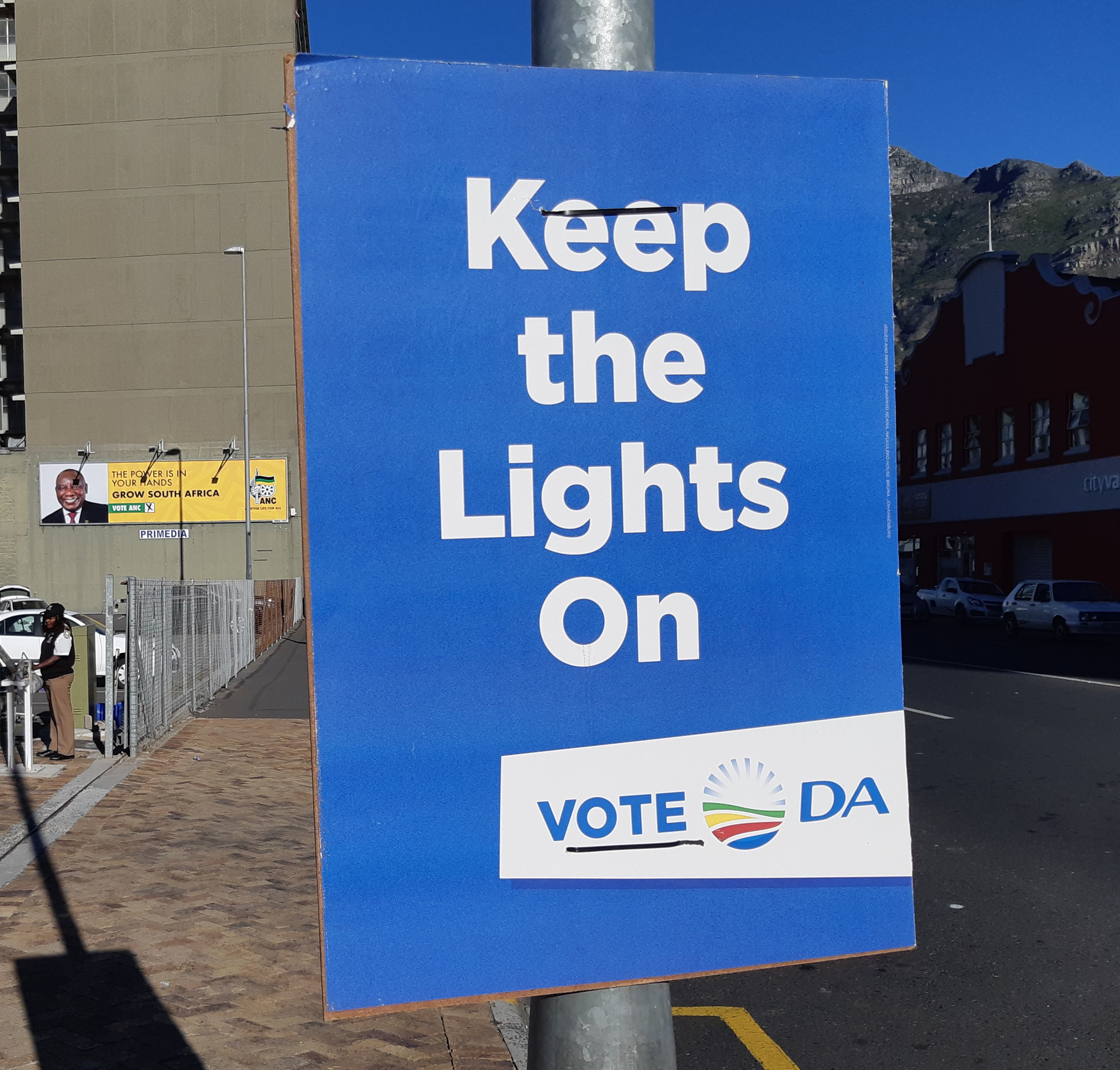
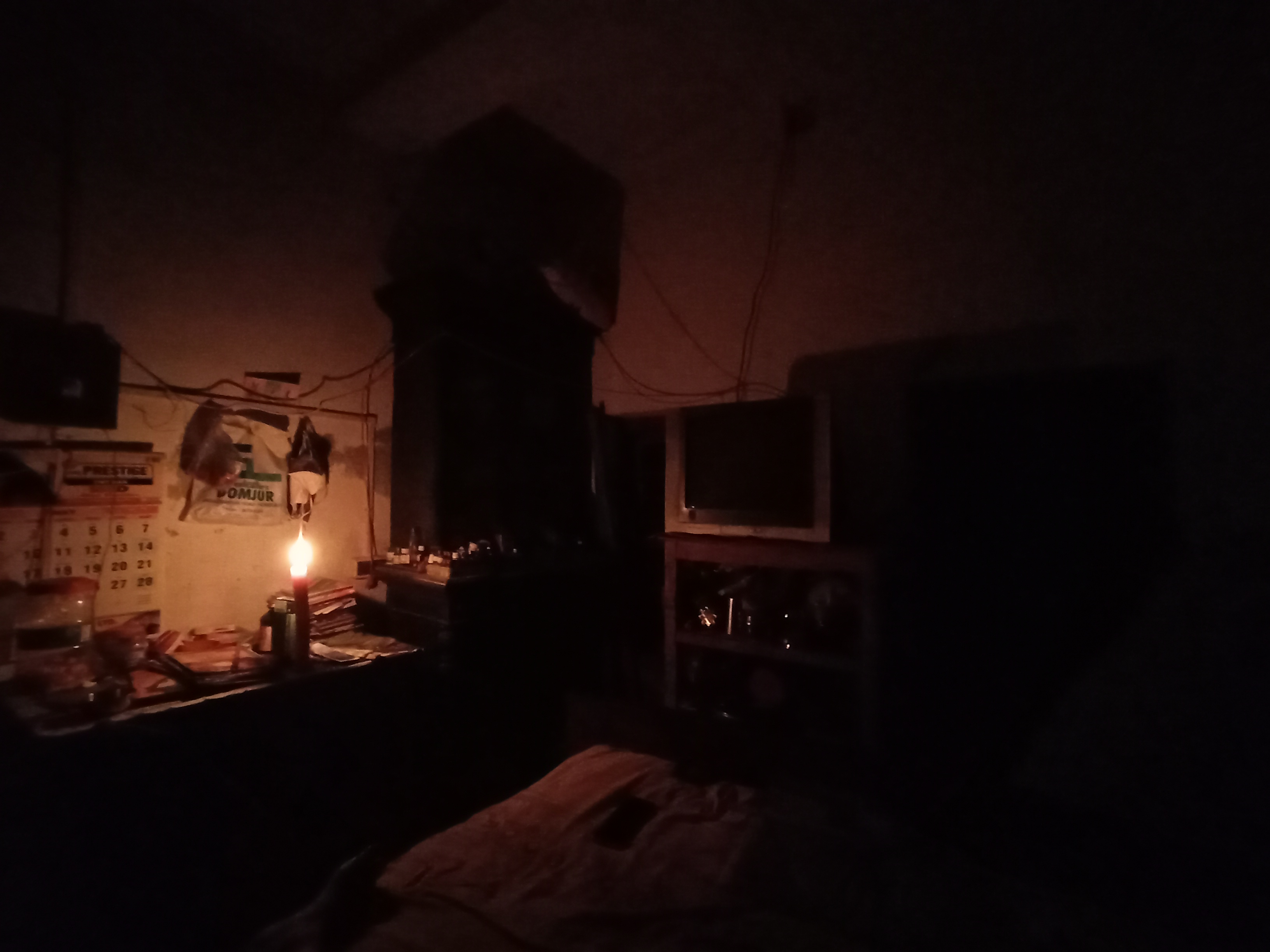 Coal transition aside, South Africans have little trust in the public utility company Eskom. In the past decade, South Africa has been notoriously plagued by rolling blackouts, or "load shedding." In 2023, Eskom "cut power to households and companies for a record 280 days, up from 65 days the year before, for up to 12 hours per day." These blackouts, which cost the South African economy R900 million (around $50 million USD) per day at their worst, have become associated with the African National Congress (ANC), the party that has been in the majority since 1994. Poor finances, aging infrastructure, corruption, and mismanagement are all seen to play a role in the crisis. In 2023, the ANC Secretary-General Fikile Mbalula admitted that "Load-shedding could be our Achilles heel. It could cost us our majority." And indeed, it did. In 2024, the ANC lost its majority in parliament for the first time, punished by voters over persistent poverty, unemployment, crime, rolling power blackouts, and corruption.
The methane emissions observed by TROPOMI in Mpumalanga are a byproduct of an aging, coal-intensive energy system that is on the way out. Yet the path forward for South Africa's energy system and the many workers in its coal mines remains murky. Pressed to avoid load shedding, Eskom has pushed to delay closures and extend the lifespan of its aging fleet of coal-fired power plants. Climate policy impacts aside, the closure of these power plants is inevitable, and reskilling programs and regional development initiatives are required to alleviate threats posed to Mpumalanga's socio economic stability. The clean energy transition may not immediately improve quality of life for affected communities, and subsidies for a clean energy transition should be aimed at protecting workers rather than the coal industry. While the future of South Africa's energy sector seems to be making a difficult turn away from heavy industry and towards clean energy, it remains uncertain how long this transition will take and the extent to which already marginalized communities will be burdened.