
Introduction
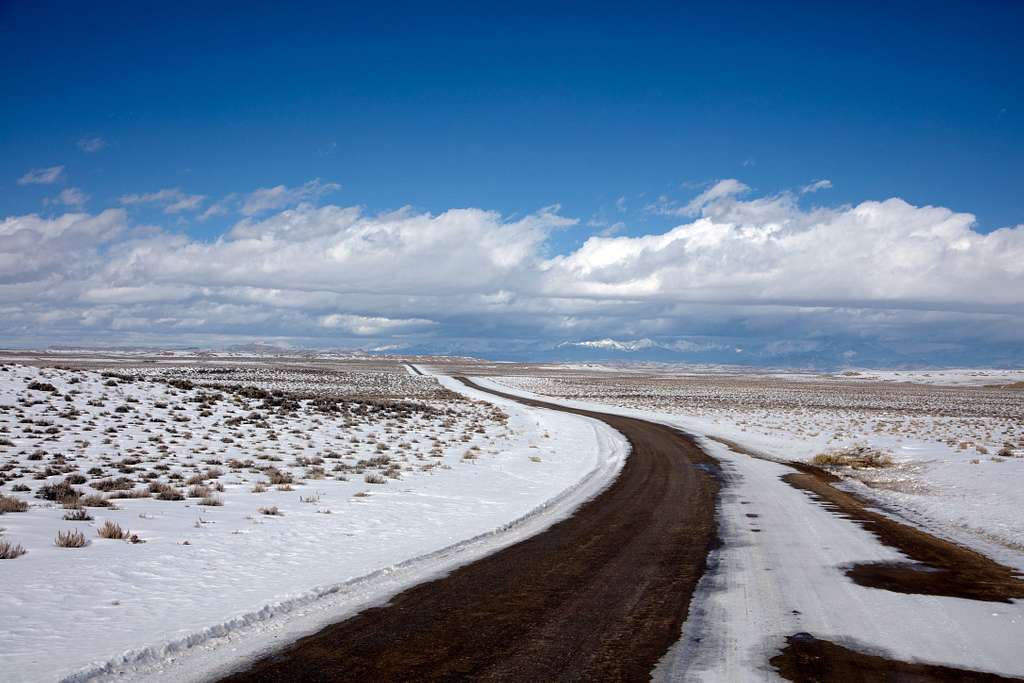
The eleven methane ultra emission sites in Wyoming are distributed across an arid landscape of the history of oil, gas and coal. Five of the sites -- the ones clustered in Sweetwater County, in the southwest of the state, around the mines that produce the obscure, underestimated and inoffensive nonfuel mineral known as trona -- are a window into a much larger and longer history of modern economic life. It is a history, in turn, which can suggest a disorienting and eventually optimistic way of thinking about climate change, regulation and economic progress.
This micro-history of Sweetwater County, like the other inquiries in the 1800 Histories project, is a part of an effort to answer the (historical) question of why methane emissions -- and the causes of climate change -- happen in particular places at particular times. It starts in Wyoming in the 1940s, and extends far back in time and far away in space. But it has also, over the course of 2024, become a history of the present, and of the next "25 to 75" years.
In the winter of 2024, the trona industry in Sweetwater County is on the threshold of much the largest expansion in its seventy-year history. Construction is projected to start in January 2025 Project West Permit Application. February 2024 [ISC Project West], 2024_ ISC Docket 23-02_ Project_West.pdf, available at https://content.govdelivery.com/accounts/WYDEQ/bulletins/38d6537, 72/1296; Industrial Siting Permit Application, Dry Creek Trona Project, September 2024 [ISC Dry Creek Trona], available at https://content.govdelivery.com/accounts/WYDEQ/bulletins/3b49814, 59/1884. on two new large trona mines; there was a "contested case hearing" "Notice of Opportunity to Observe Hearing," September 8, 2024, https://content.govdelivery.com/accounts/WYDEQ/bulletins/3b49814 at the Hampton Inn on Wild Horse Canyon Rd, Green River, WY on December 3, 2024. To understand the history of trona is also to think about a choice of different futures -- in relation to the new projects and in relation to the conditions under which economic development will unfold over the next generation, in Wyoming and elsewhere.
| The History of Ash » |