
Penzenreuth-Introduction
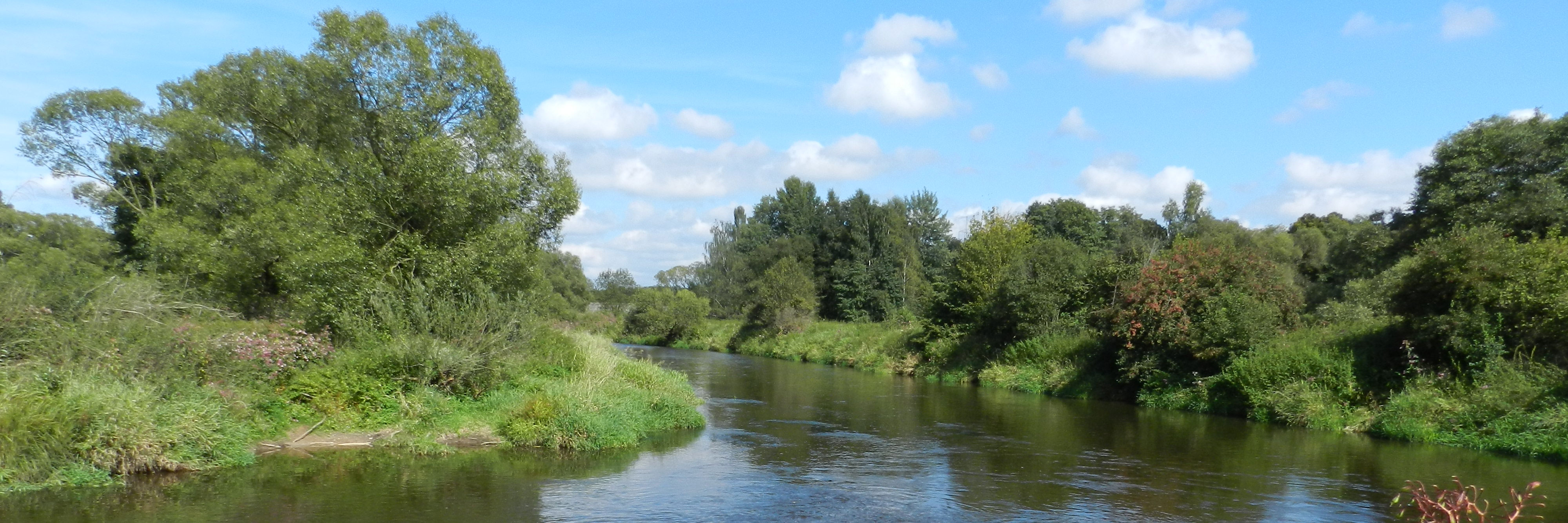
Only one of the ultra methane emission sites that appear on the 1800 Histories map is within the territory of the pre-2004 European Union, and -- at {49.77, 11.76} -- it is in an apparently unlikely location. The hamlet of Penzenreuth, nestled amidst the lakes of eastern Bavaria, is not the sort of place where one tends to look for very large-scale pollution, like the "event" -- the emission of 39 tons of methane per hour -- that was observed from space on June 19, 2019. But these micro-histories have been a discovery, often enough, of the multiple possible sources of methane emissions, and of the other sources of pollution with which they are co-located. Penzenreuth too, as it turns out, has an industrial hinterland.
The scarcity of ultra emission sites within the European Union is an artefact, in part, of the limitations of detection, as the spectrometer gazes down at the temperate, cloud-covered landscape of Europe. It is also the outcome, undoubtedly, of more than half a century of EU environmental regulation. A little further to the east, there is a ultra emission site in a lake region of the Czech Republic, there are two in rural Lithuania, and four in the coal mining region of Katowice in southern Poland. There are significant emissions, undetected in the 1800 Histories data, from the natural gas industry in the Netherlands and from landfill sites in Spain, as well as more diffuse, continuing emissions from agriculture and livestock production.
So what really happened amidst the Bavarian lakes in June 2019? Here are some possible directions of inquiry. There are the lakes themselves, or the eutrophic ponds within the nature reserve See Joshua Steib of the Eschenbach Weihergebiet.
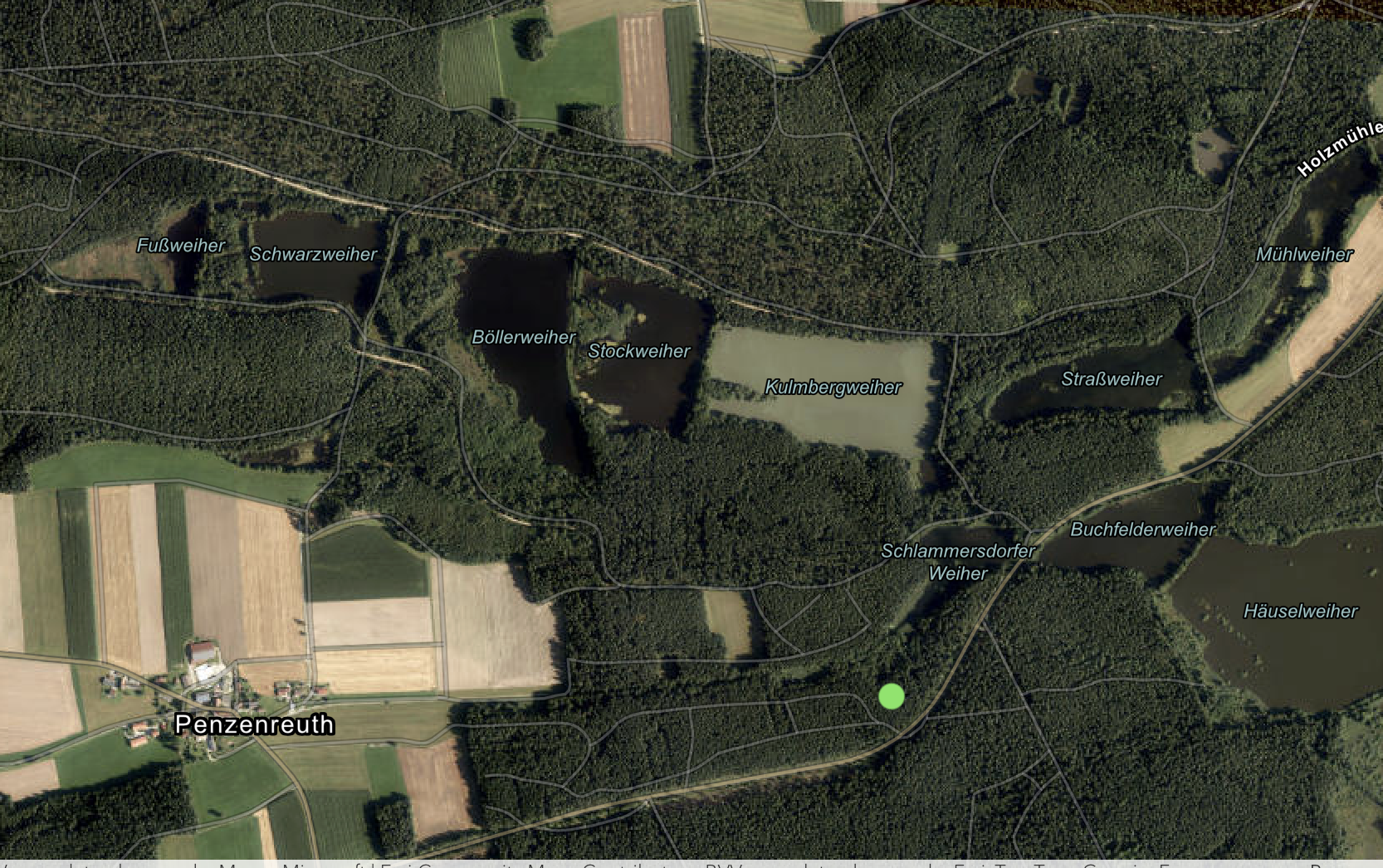
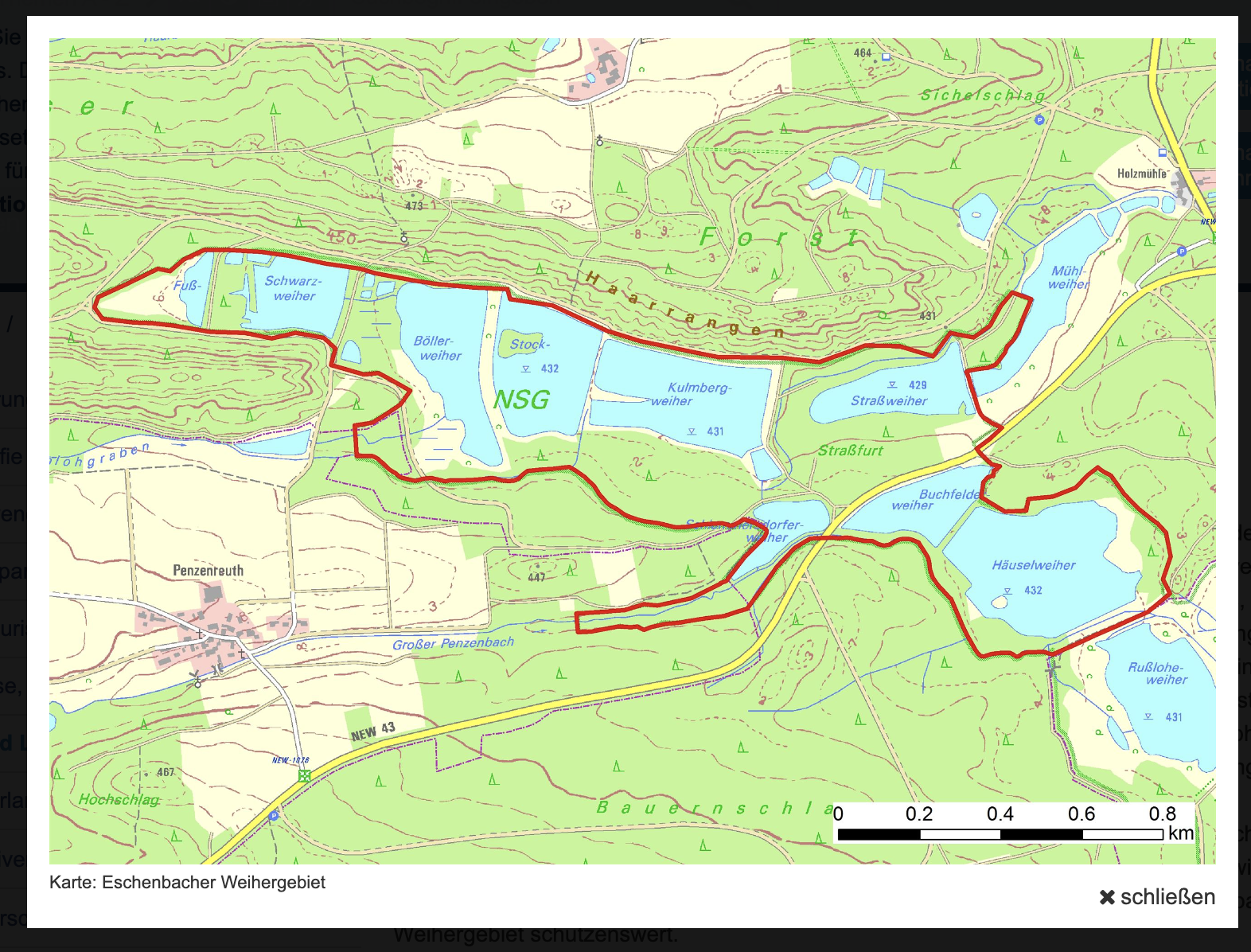
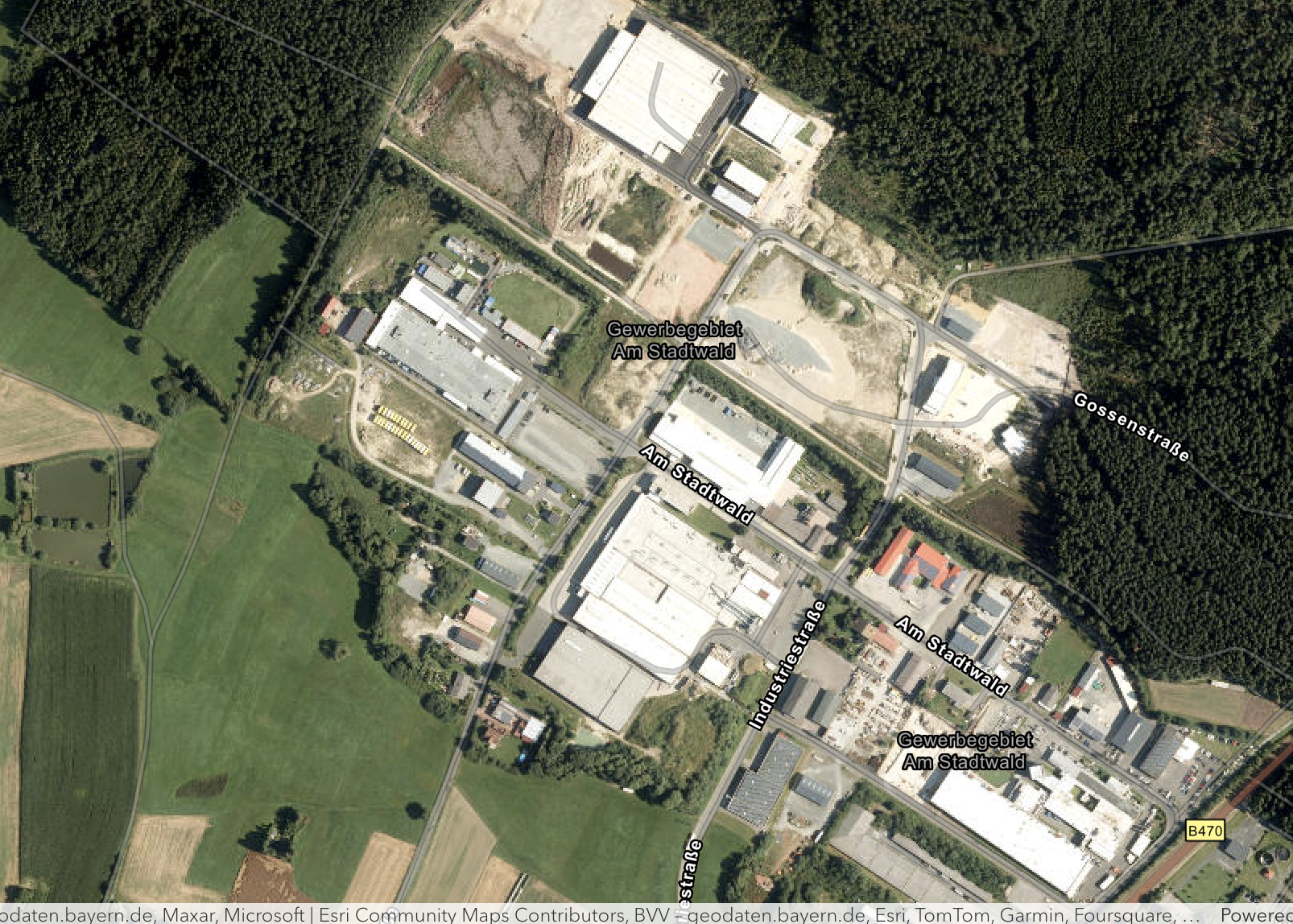
There are the residues of military activity, associated with the German/US military base of Grafenwöhr and Vilseck. There is a large paper factory in Eschenbach. There is an east to west gas pipeline, just to the south of Vilseck.
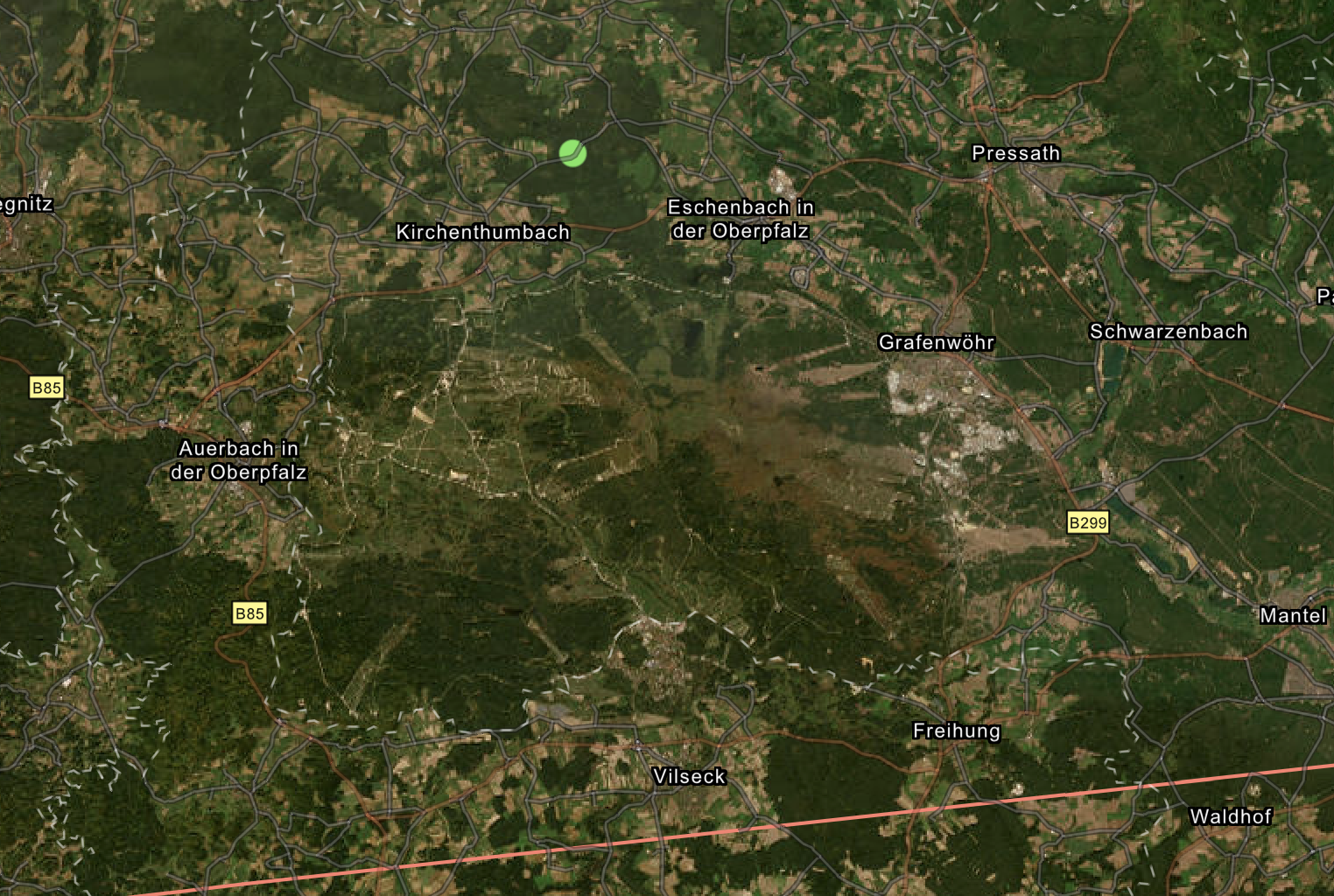
To the north, there is the Earth-Environment Center, now a science museum, on the site of the ultra-deep drilling project, See Matthias Weigand initiated in 1987, that descended more than 9,000 meters into the earth's crust. Penzenreuth is surrounded by idyllic scenes of natural beauty and scientific ingenuity. It is also, like everywhere else, even in Europe, surrounded by the detritus of the fossil-fuel society.
.jpg)
| Deep Drilling » |