
Novotroitsk: The Aching Backbone of Russia
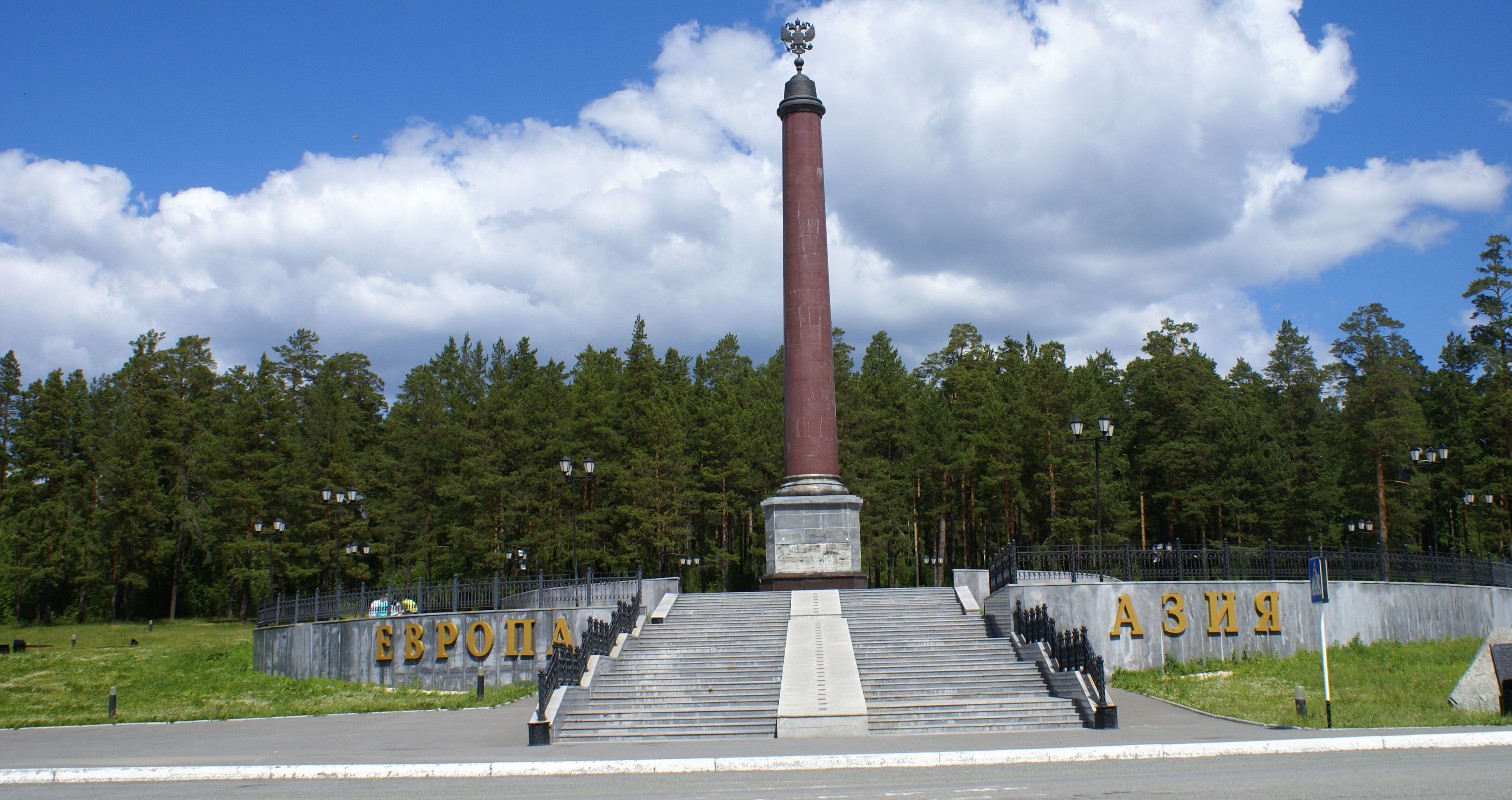
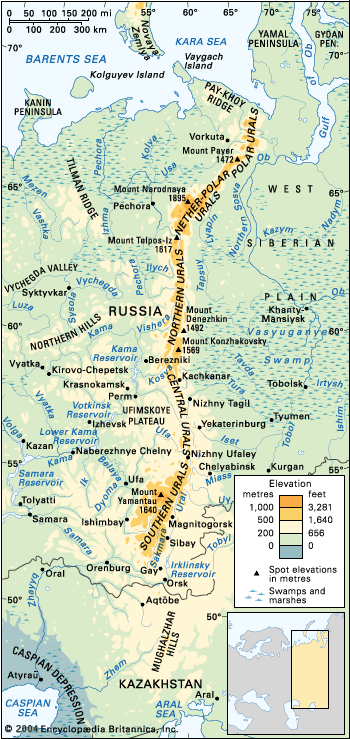 The Ural Mountains have long been described as the backbone (khrebet) of Russia. Though not especially high, in comparison to the Himalayas, Andes, or Alps, the range's highest peak, Mount Narodnaya, reaches 1,894 meters. Stretching from northern Kazakhstan in the south to the Arctic Ocean in the north, the Urals are commonly recognized as the "natural" boundary between Europe and Asia. This division, however, was not always uncontested and was only formalized in the 18th century (Bassin 1991). The Ural River flowing along the southern extent of the mountain range is the third-longest river in Europe and contributes to this symbolic geographical boundary.
The Urals reflect Russia's dichotomous, cross-continental nature. They divide—or rather, connect, like a spine in a body—its European half (historically influenced by European culture, language, and politics, populous—home to about a quarter of the population—and more developed) and its Asian half (with distinct landscapes and indigenous cultures, vast natural resources, and a lower population density).
There is yet more historical and symbolic meaning encapsulated in the "backbone" metaphor. The Urals are among the oldest mountain ranges on Earth, having risen in the late Paleozoic era, some 300–250 million years ago. By comparison, the Himalayas are a relatively recent addition to our planet, at only about 50 million years old. And old mountains are mineral treasure troves. Having formed through multiple geological events—including the collision of protocontinents that thrust deeper crustal layers upward—the Urals have long been known for their deposits of iron ore, coal, precious metals, and gemstones. Moreover, because they have been eroding for such a long time, the range has worn down in height, exposing many of its "mineral veins" conveniently near the surface.
A concentration of methane emissions in the 1800 Histories map dated to 2019–2020 in the Southern Urals caught my attention, as it did not appear to relate directly to the ubiquitous oil and gas pipelines that originate in the Russian periphery—the usual culprits behind methane leaks. One ultra-emitter source—289 tons of methane per hour—is located just beyond a 15-kilometer radius around the town of Novotroitsk on the Ural River. The likely source of the plumes is a cluster of industrial enterprises, primarily the Ural Steel Metallurgical Plant (white circle on the map). This plant supplied rolled steel for major construction projects, including the Sochi Olympics, the FIFA World Cup, and the Moscow International Business Center. Prior to 2022, As of now, specific export data for Ural Steel since 2022 is not publicly available. it also actively exported to the EU, Japan, the Near East, and North America. Recently, Ural Steel has faced significant challenges facing revenue decrease, operational and compliance costs increase, as well as market weakness and sanctions, with its net profit in 2024 dropping by 85%.

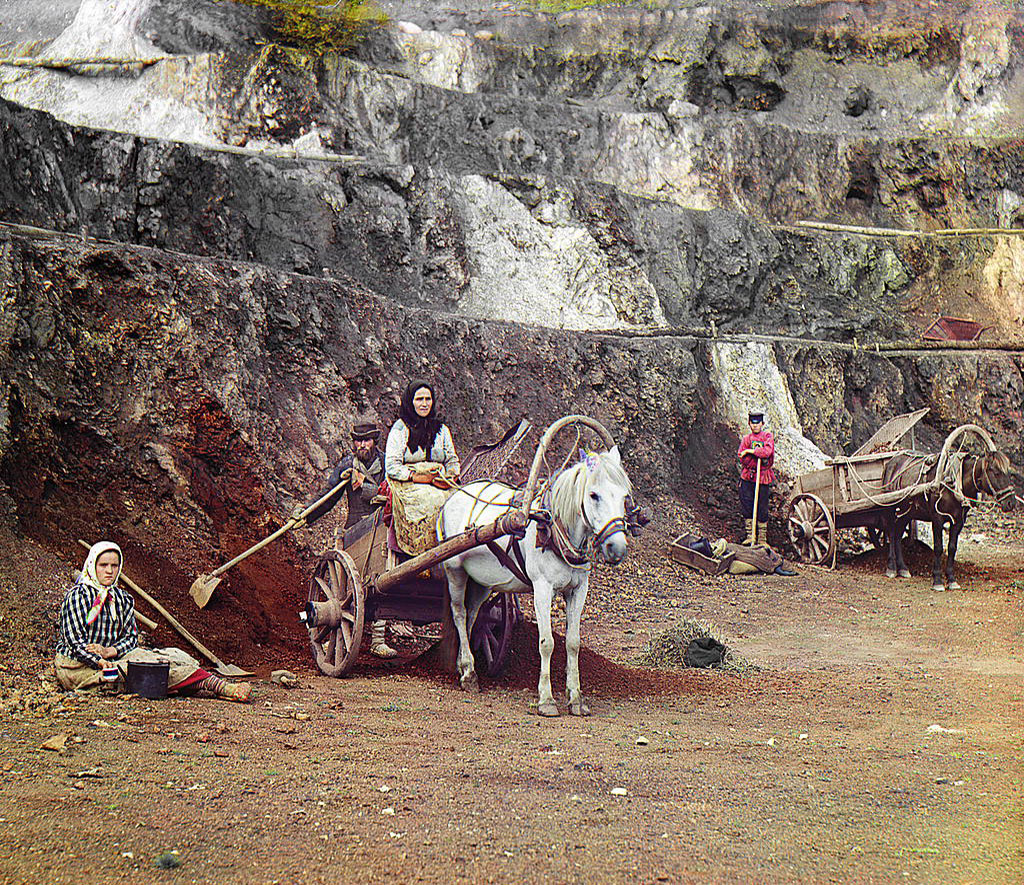
Although the traces of emissions are recent, they resonate with a much deeper history of metallurgy. Archaeologists date the earliest evidence of metallurgy in the Urals to the Bronze Age, around 3000 BCE. E. N. Chernykh, Ancient Metallurgy in the USSR: The Early Metal Age, New Studies in Archaeology (New York: Cambridge University Press, 1992), 11. Fast-forwarding to the Modern Era, by the late 15th and early 16th centuries, the Grand Duchy of Moscow began expanding eastward across the Volga River and toward the Ural Mountains, asserting dominance over diverse Turkic, Ugric, and Finno-Ugric populations. From the 17th century onward, the region became central to Russia's metallurgy and mining industries. Before the conquest of Asiatic Russia, the history of the Urals reflected the early roots of Russian expansionism—driven by the desire to exploit natural resources.
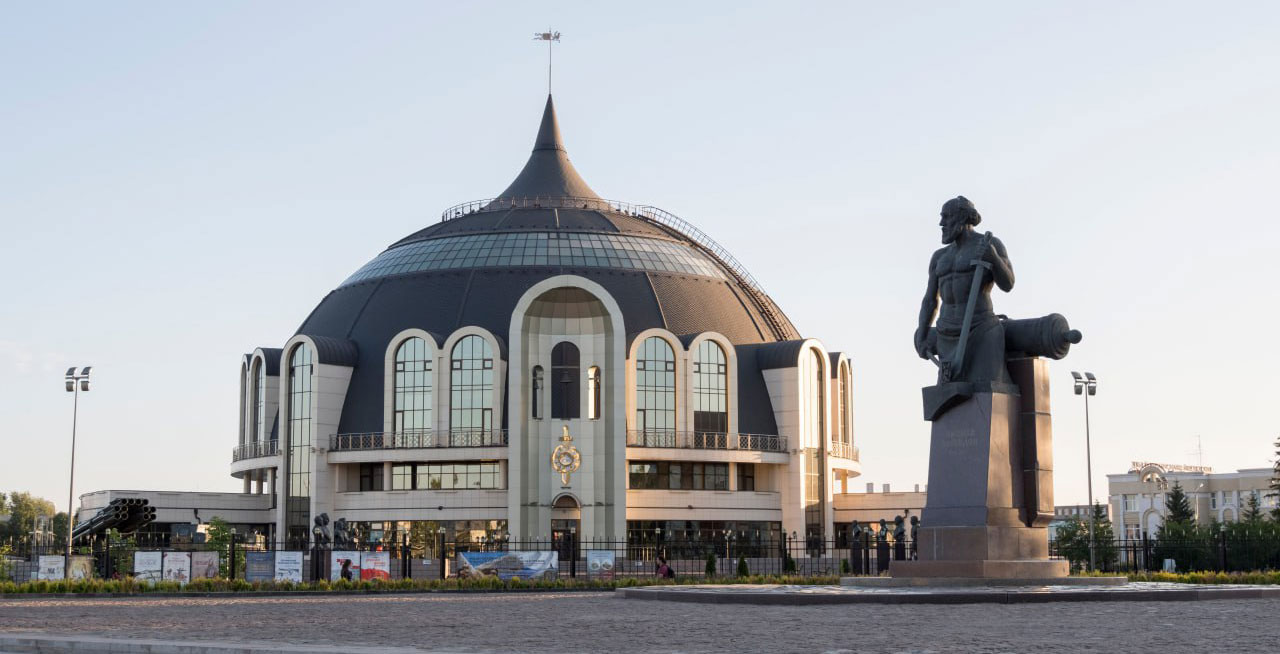
The Demidov dynasty was pivotal in driving industrialization and development both within and beyond the region. Nikita Demidov (1656–1725), a skilled blacksmith from Tula, a city just south of Moscow, rose to prominence under Peter the Great. With imperial patronage and the support of foreign experts from Germany, Sweden, Austria, Bohemia, France, and England he founded ironworks in the Urals that supplied the Russian army, navy, and major state infrastructure projects. Metal production in the Urals embodied early modernity at the frontier of what was perceived as a backward East—an area into which Russia was actively expanding.
As someone who hails from Tula, I can attest that the Demidovs continue to hold a special place in the city's collective memory, having laid the foundations for its identity as a historic center of metallurgy and weapons manufacturing. My interest in Soviet environmental history stems from personal experience: my father worked for over half a century at one of Tula's metallurgical plants, while we lived in the countryside and witnessed firsthand the environmental effects of industrial pollution all around us.
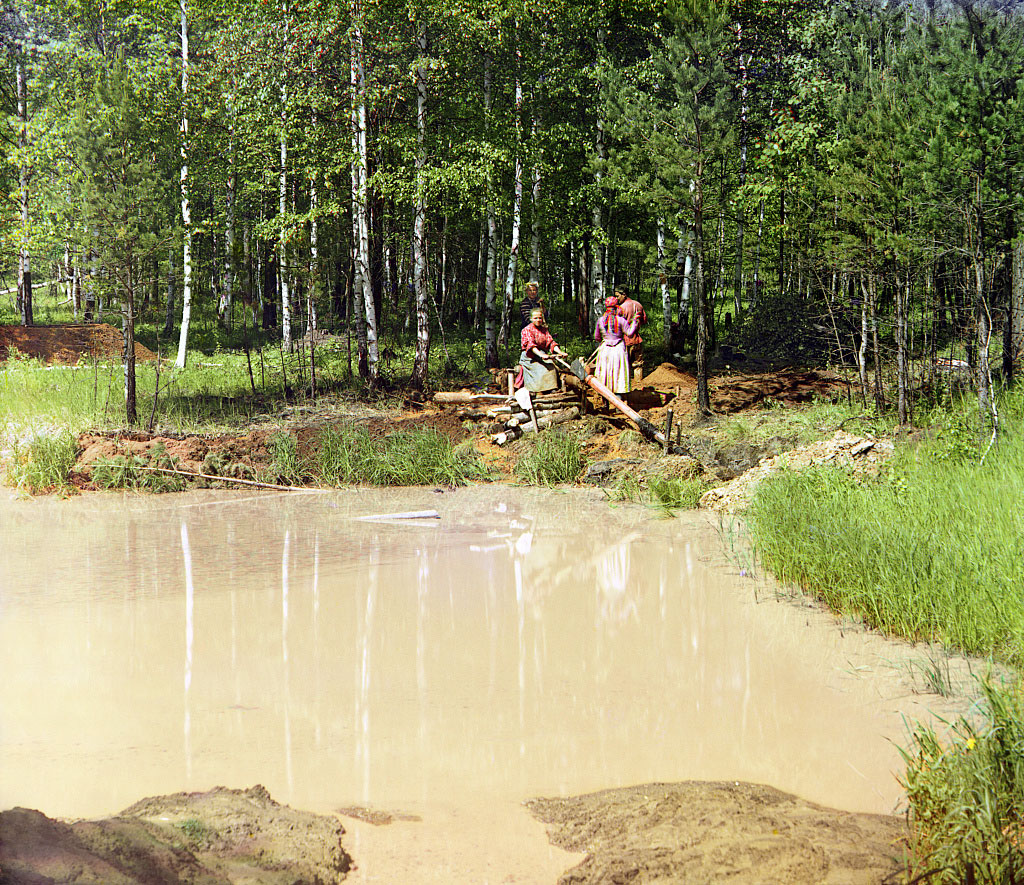
The methane plumes in question were detected in the modern Orenburg Oblast It was formerly known as the Orenburg Governorate during the Russian Empire and as Chkalov Oblast from 1938 to 1957, named after the hero pilot Valery Chkalov. of the Russian Federation. This region lies not only along the imagined Europe-Asia divide but also borders Kazakhstan. The administrative center, the city of Orenburg, served as the capital of the Kyrgyz Autonomous Soviet Socialist Republic (Kyrgyz ASSR) This entity is unrelated to present-day Kyrgyzstan. a precursor to today's Kazakhstan—from 1920 to 1925. During the eras of the Russian Empire and the USSR, workforces and natural resources circulated freely across what is now the Russia-Kazakhstan border. For instance, ore or coal extracted within modern Kazakhstan were utilized in factories located in the Russian Urals.
The southern edge of Russia's backbone has long been culturally and ethnically diverse, with a distinct history that renders the Urals both a pillar of the national economy and a place where centralized power is negotiated—and at times, disrupted. Notably, many Old Believers, a large Orthodox Christian community that split from the state church after the 17th-century schism, worked in metallurgical enterprises. Members of the Demidov family were themselves sympathetic to the Old Believers. Aleksandr Etkind and Sara Jolly, Nature's Evil: A Cultural History of Natural Resources, New Russian Thought (Medford: Polity Press, 2021), 55-60.
In the late 18th century, during the reign of Catherine the Great, severe oppression under serfdom drove Russian peasants to widespread desperation. Securing support from Old Believers and Cossacks, the rebels staged the largest peasant uprising in Russian history, led by Yemelyan Pugachev. Between 1773 and 1775, they occupied vast territories from the Volga River to the Urals. After the rebellion was crushed, the empress sought to weaken the identity of the Yaik Cossacks, whose very name tied them to the river. She ordered the Yaik—an old Turkic name—renamed the Ural, erasing the memory of disobedience and reinforcing imperial authority over the frontier. (The logic of using geographical renaming to assert power is not unlike today's attempt to rebrand the Gulf of Mexico as the "Gulf of America.").
On the banks of the Ural River, Slavic settlers have lived alongside Tatars, Kazakhs, Bashkirs, and Mordvins, among other less numerous ethnic groups. According to the first and last Imperial Census of 1897, of a population of approximately 1.6 million, around 73% reported speaking Russian, Ukrainian, and Belarusian (https://www.demoscope.ru/weekly/ssp/rus_lan_97.php?reg=57). The second-largest linguistic group were the Bashkirs at about 16%, followed by Tatars (6%) and Mordvins (2.5%). The majority of Bashkirs, Tatars, and Kazakhs were Muslim. The same census indicated that approximately 23% of the population identified as "Mahometans" (Muslims), while Old Believers made up only 3% at this point (https://www.demoscope.ru/weekly/ssp/rus_rel_97.php?reg=52). At the turn of the twentieth century, about one-quarter of the Orenburg Governorate's population was Muslim. Orenburg, the regional capital, served from the imperial through the early Soviet period as a major administrative and logistical hub for managing the Hajj Eileen M. Kane, Russian Hajj: Empire and the Pilgrimage to Mecca (Ithaca (N.Y.) London: Cornell University press, 2020). —the annual pilgrimage to Mecca. The Russian Empire, and later the USSR, used Orenburg to regulate and facilitate the pilgrimage, aiming to integrate and exert soft control over the state's Muslim subjects. Since the Russian imperial expansion—and even more so during the Soviet and post-Soviet periods—the Muslim population, particularly the Bashkirs, declined in the Southern Urals, as the region underwent increasing russification and urbanization.
In 1928–1929, Joseph Stalin inaugurated the "Great Break"—a policy that would transform the USSR from an agrarian to an industrial society at breakneck speed. The New Economic Policy (NEP), originally proposed by Vladimir Lenin, was abandoned and replaced by collectivization, accelerated industrialization through Five-Year Plans, and an overall cultural revolution. The Soviet leadership under Stalin—whose pseudonym literally means "man of steel"—prioritized heavy industry, particularly iron and steel production, as the foundation of a socialist economy.
The development of metallurgy in the Ural Mountains played a crucial role in the First and Second Five-Year Plans (1928–1932 and 1933–1937). An industrial frontier of the East, the Urals held strategic significance for the USSR's goals of intensive industrialization, military self-sufficiency, and regional development. The Magnitogorsk Examining the steelworks and the city of Magnitogorsk as a microcosm of the Soviet state, Stephen Kotkin wrote the seminal 1995 work on "Stalinism as Civilization"—a totalizing system which Soviet subjects not only experienced but also negotiated and helped construct while 'speaking Bolshevik.' Stephen Kotkin, Magnetic Mountain: Stalinism as a Civilization, 1. (Berkeley, Calif.: Univ. of California Press, 1997). Iron and Steel Works (MMK) was one of the flagship projects. The MMK and other prewar industrial megaprojects engaged foreign assistance, including American John Scott and Stephen Kotkin, Behind the Urals: An American Worker in Russia's City of Steel, Enl. ed, A Midland Book MB536 (Bloomington, [Ind.]: Indiana University Press, 1989). engineers and technology.Today, Magnitogorsk and Pittsburgh are famous for stellar hockey teams, but at the time, the new Soviet steel town was built with a dream of rivaling its American prototype.
The new centers of steel production, such as Magnitogorsk, Nizhny Tagil, and Chelyabinsk, emerged in the 1930s and reshaped the environment of the Urals beyond recognition through industrial expansion and urban planning, including mines, factories, housing, and energy infrastructure. The mountain range dubbed the "backbone" of Russia for its historic contribution to the national economy, solidified its status in the twentieth century as one of the most industrialized—and most contaminated—regions in Eurasia.
Following the first Five-Year Plans, World War II provided another major impetus for industrialization in the Urals. In 1941, an estimated 832 factories were evacuated В.В. Алексеев, Д.В. Гаврилов, Металлургия Урала с древнейших времен до наших дней (Москва: Наука, 2008), 603-607. to the Urals, primarily by rail, along with more than a million workers and their families, relocated from the western parts of the USSR to support the war effort. The Urals subsequently became the main base of the Soviet armaments industry.
The first plutonium production in the 1940s in Chelyabinsk Oblast connects the histories of Soviet industrialization and environmental degradation in the Urals during the World War II and Cold War eras. The story of the secret city of Ozersk was masterfully narrated by Kate Brown in Plutopia: Nuclear Families, Atomic Cities, and the Great Soviet and American Plutonium Disasters (Oxford: Oxford University Press, 2013). The Kyshtym disaster at the Mayak nuclear facility in 1957 released a significant amount of radioactivity, contaminating large areas of land and water systems for decades, although its long-term consequences were later overshadowed by the more widely publicized Chernobyl disaster.
The Ural Steel Metallurgical Plant in Novotroitsk, a single case in the long history of industrial development and environmental change in the Ural Mountains, was founded after Stalin's death. Nevertheless, it embodied the "half-life" of Stalinist economic expansion, evoking the lasting legacy of a development model focused on heavy industry (steel, coal, machinery, and defense), the construction of integrated factory towns, and a little regard for environmental protection.
As a city, Novotroitsk Although the name directly referred to the Holy Trinity, it stuck even during the Stalinist anti-religious campaigns. did not exist until 1941; previously, it was an eponymous peasant village. The history of the Ural Steel Metallurgical Plant—which put the city on the map—began in 1929. That year, geologist Iosif Rudnitsky (1888–1975) discovered valuable limonite or brown iron ore deposits uniquely containing chrome, nickel, titanium, and manganese in addition to iron near the Khalilovo railway station (about 30 km from modern Novotroitsk). According to urban legend, he was gifted a Ford car for his discoveries—the only one of its kind in this part of the country. A native of Ukraine, Rudnitsky had been interested in geology since his exile in the Yenisei Governorate (Eastern Siberia) for participating in the underground revolutionary movement. Under the Soviet regime, he was "exiled" again—expelled from the university in Dnipropetrovsk for his connection with an enemy of the people—and helped by his former professor to find a job in Orenburg Oblast, which he never left.
Evidently, the prerequisites for the first five-year plans included exploration and prospecting for natural resources in previously obscure regions of the USSR. Soviet industrialization undoubtedly harmed the natural environment, but it also catalyzed the development of the earth sciences. The Ural branch of the Soviet Academy of Sciences was established in 1932 in Sverdlovsk (now Yekaterinburg). The founding institutes of the branch specialized in applied and technical fields: metallurgy, chemistry, mining, and geology.
The geological survey conducted by Rudnitsky and his colleagues laid the base for the , Orsk-Khalilovo Industrial Complex Орско-Халиловский индустриальный комплекс, Москва-Самара: Средневолжское краевое государственное издательство, 1934. with an integrated metallurgical plant as its main enterprise. The village of Alimbetovka in the Kazakh SSR was also considered as a potential site for the plant, as part of an effort to preemptively distribute polluting enterprises more evenly across the region. Ultimately, however, the site of the future city of Novotroitsk was chosen near Orsk—a populous city with historical roots dating back to Pugachev's rebellion. The Soviet government approved the construction of the metallurgical plant in 1931, largely thanks to the support of Sergo Ordzhonikidze, the head of the Supreme Soviet for National Economy (Vesenkha), who fervently pushed for more funding for industrial development in the Urals, along with the newly developing coal-rich Kuznetsk Basin (Kuzbass) in the East. В.Д. Зуев, "Средневолжская партийная организация в борьбе за индустриализацию края в годы второй пятилетки (1933-1937 гг.)," Из истории социалистической индустриализация Среднего Поволжья. Труды, Выпуск 59 (1973), 65-66. The Orsk-Khalilovo Industrial Complex took off with the construction of the nickel plant in Orsk in 1938, which became the second-largest polluter in the area until it ceased operations in 2012.
The metallurgical plant—still the largest polluter in the area today—made little progress until after World War II. The Stalinist construction site relied on forced inmate labor, including individuals falsely accused of being "enemies of the people" during Stalin's repressions. According to one such inmate, the violinist Georgy Feldgun, out of the seven to eight thousand people in the camp, three to four hundred died each month—the conditions were simply not conducive to survival. The deceased were buried in unmarked mass graves, now lying beneath the footsteps of present-day residents of Novotroitsk. The first head of construction of the Orsk-Khalilovo Industrial Complex and metallurgical plant, Sergei Frankfurt, was himself arrested and executed for counterrevolutionary activity in 1937.
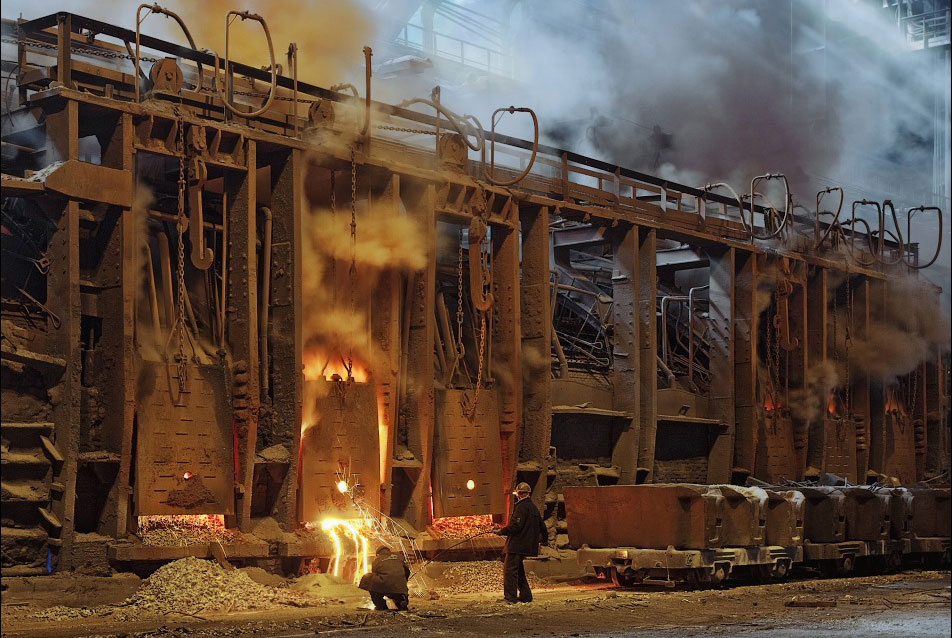
Before the war, the plant only managed to establish the production of refractory bricks. Refractory bricks are essential for constructing the ovens. It was not until 1950 that a combined heat and power plant (CHP) and a coke battery Metallurgy is an energy-intensive industry, requiring large amounts of heat, electricity, and steam. Power plants supply these resources and often burn industrial by-products in the process. Coking is one of the most vital steps in steelmaking. Coke is produced by heating bituminous coal in the absence of air and serves multiple purposes, one of which is to generate the high temperatures needed to produce pig iron in a blast furnace and steel in an open-hearth furnace (known in the USSR as the "Martin furnace"). were launched. In 1955, Blast Furnace No. 1 produced its first pig iron—a milestone considered the plant's official launch. Between 1955 and 2013, five more blast furnaces were constructed. This was followed by the construction of nine open-hearth furnaces between 1958 and 1966, with Open-Hearth Furnace No. 1 producing its first steel in 1958.
Among other facilities built during the Soviet era that contributed significantly to environmental pollution in the region, the chemical-metallurgical Novotroitsk Plant of Chromium Compounds, established in 1962, stands out. In total, around twenty major industrial facilities operate in Novotroitsk today. Together, they account for approximately 19% of the total industrial output of Orenburg Oblast. О.А. Колодина, География Оренбургской области. Население и хозяйство (Оренбург: Изд-во .Орлит-А., 2006), 41-132.
The steel, nickel, and chromium compound plants have had a major and lasting impact on the surrounding environment. This environmental toll is typical of heavy industrial sites worldwide, of which the number and scale grew rapidly over the 20th century—including in the USSR. Harm to ecosystems seemed to accompany nearly every stage of production.
First, raw material extraction—whether ores or coal—not only involves aggressive disruption of natural landscapes but can also release methane emissions. Even spent quarries and mines can contain residual metals and acid-generating minerals. The original Khalilovo group of mines is located further to the northwest of Novotroitsk. One of them, Akkermanovka, lies adjacent to the city.
Globally, the steel industry is a major source of CO₂ emissions. At the production stage, Ural Steel has released vast quantities of CO₂, nitrogen oxides (NOₓ), sulfur dioxide (SO₂), and particulate matter, primarily through fossil fuel combustion and its in-house power plant. Methane emissions in steelmaking are particularly associated with converting coal into coke. The now-defunct nickel plant also emitted CO₂, SO₂, PM, and heavy metals. Chromium compounds, which were not always confined to their production facilities, are known to be highly toxic and carcinogenic. Recent ecological studies based on laboratory tests of local vegetation have found that the environmental condition around the city of Novotroitsk is currently "critical," with high concentrations of heavy metals in the soil (Dubrovskaya 2012; Bachurina and Kulikova, 2019).
Methane plumes over Novotroitsk may still be linked to the city's gas infrastructure. Since 2015, natural gas has accounted for about half of the fuel used at Ural Steel. Leaks are common during both transportation and use. What made Soviet and Russian heavy industry distinct was the sheer "abundance" of resources—both raw materials and fuel. The excess of natural gas from neighboring regions had already been in use for heating blast furnaces at Ural Steel since the 1960s, when industry in the Urals region was widely gasified via the Bukhara–Ural pipeline, Metallurgicheskiye zavody Urala XVII-XX vv: entsiklopediya (Ekaterinburg: In-t istorii i arkheologii Uro RAN, 2001), 370. completed in 1963. Since the 1990s, natural gas has played a dominant role in Ural Steel's energy mix, gradually replacing coal, whose combustion emits even more CO₂. Now, two gas pipelines serve the industrial area—Orsk-Samara Pipeline (1970) and Dombarovka-Orenburg Gas Pipeline (1977).
Finally, the metallurgical industry produces significant amounts of harmful waste, which often contaminates soil, water, and groundwater. Steelworks generate a byproduct known as slag, while the production of nickel results in large volumes of tailings—waste rock and ore. The processing of chromium ores forms sodium salt sludge.
Ural Steel has operated a biochemical wastewater treatment system since 1960, Ibid. so it would not be fair to claim that all waste has been indiscriminately disposed of by the plants under review, even in Soviet times. Nowadays, Akkermann Cement uses limestone, clay, and processed metallurgical slag from Ural Steel and accumulated in older dumps as raw materials to manufacture cement (Gamidullaeva et al. 2024). In recent years, outdated but hazardous industrial waste sites across the region have reportedly been decommissioned and their areas revitalized as part of a major state-led initiative. One of the largest waste sites in Novotroitsk—spanning 76 hectares—contained 1.7 million cubic meters of waste, which, according to the Ministry of Natural Resources and Environment, had been illegally accumulated over the past fifty years.
The chromium compounds plant has claimed that it had paid "great attention" to environmental protection, having renovated its sludge collector twice since 1991 and reduced atmospheric emissions by a factor of eight over the past 20 years. And yet, in 2011, the Russian Ministry of Natural Resources and Ecology reported the release of waste from the sludge collector of the plant, which seeped into the Ural River through groundwater. Despite its own environmental protection efforts, Ural Steel was found to be in violation of air quality regulations during an unplanned inspection by Rosprirodnadzor Rosprirodnadzor is the national environmental oversight agency of the Russian Federation.in 2020, resulting in several administrative cases. Ural Steel was also found responsible for contributing to elevated zinc levels in the Ural River (Yessenamanova et al. 2021).
Historian Donald Filtzer argued that the poisoning of Russia's rivers was part and parcel of the Stalinist industrial economy (Filtzer 2009). These environmental practices, unfortunately, have proven to be long-lasting. At the turn of the 21st century, ecologists assessed the technogenic pressure on the hydrosphere around Novotroitsk as impermissible and called for radical measures to avoid an impending disaster (Gaev, Leont'yeva 2004).
What is notably different today is that, following the collapse of the USSR, Russia and Kazakhstan became two separate states sharing the Ural River watershed. Although Kazakhstan remains heavily influenced by Russia, it is at a disadvantage, facing what could be described as a "downstream curse." After passing through some of Russia's most heavily polluted industrial regions, the Ural River enters Kazakhstan, flowing through the West Kazakhstan and Atyrau regions before emptying into the Caspian Sea—a body of water bordered also by Turkmenistan, Iran, and Azerbaijan. The river's pollution has contributed to the decline of fisheries throughout the basin, particularly affecting the prized sturgeon populations (Secor et al. 2000).
 Several additional aspects distinguish metallurgical production in Novotroitsk—and in the Soviet Urals more broadly—from similarly harmful industrial practices worldwide. One of the most notable is technological: the persistent use of open-hearth furnaces (OHFs). Although these furnaces were developed in the 19th century and widely used in early industrial metallurgy, they were largely phased out globally by the mid-20th century. In most of North America, Western Europe, and Japan, OHFs had been replaced by basic oxygen furnaces (BOFs) by the 1950s, and increasingly by electric arc furnaces (EAFs) in the decades that followed.
In contrast, the Soviet Union continued to rely heavily on OHFs well into the late 20th century. OHFs are highly inefficient, often requiring several hours to produce what modern furnaces can achieve in minutes. They are also extremely harmful to the environment, consuming vast amounts of fossil fuels for prolonged heating. Their open design complicates emissions control and results in significant levels of waste and pollution.
The persistence of OHFs in the Soviet metallurgical industry stemmed from a combination of factors. These included institutional inertia, the economic and logistical challenges of overhauling vast industrial systems under the constraints of a command economy, and a lack of access to advanced technologies and technical expertise. Furthermore, the Soviet system relied on abundant but low-quality raw materials and coke, for which OHFs were more forgiving than newer technologies. Ideologically, the outdated but labor-intensive character of OHFs was consistent with Soviet goals of sustaining high employment levels.
The second distinguishing aspect is socio-political: the collapse of the Soviet Union in the early 1990s. With independence, the former Soviet republics gained the ability to facilitate transnational transfers of technology and expertise that had previously been restricted. For example, I recall my own father, along with a group of colleagues from a metallurgical plant, being sent to Austria for training in 1993—a trip that would have been unimaginable during the Soviet era and remained his only visit to Europe.
The introduction of market-based economic relations created a stronger incentive to modernize industrial production. However, this opportunity emerged during a period of profound economic crisis across the post-Soviet world. Throughout the 1990s and 2000s, modernization required capital investment that was largely unaffordable. This was compounded by the abrupt withdrawal of state support for industry, the chaotic process of privatization, and the broader uncertainty of systemic transition. In this environment, the primary goal for many enterprises was survival and the preservation of employment, not innovation.
At the same time, environmental protection remained a low priority. Regulatory standards were weak and poorly enforced, and public pressure on industry was minimal. Nevertheless, as during the COVID-19 pandemic decades later, the economic collapse of the 1990s inadvertently led to a significant drop in industrial activity and, consequently, pollution levels across much of the post-Soviet space. In the following decade, due to both the closure of some enterprises and the modernization of others, total atmospheric emissions of harmful substances in the Urals decreased by 40%, while solid emissions fell by nearly 50%. В.В. Запарий, Черная металлургия Урала в 70-90-е годы XX века: автореферат дис. ... доктора исторических наук (Екатеринбург: Ин-т истории и археологии УрО РАН, 2002), 26.
In 1992, the former Soviet Orsk-Khalilovo Metallurgical Plant was privatized, and survived bankruptcy becoming known as Novotroitsk Steel and later Ural Steel. Like many steelworks across the post-Soviet space, it continued to rely on OHFs well into the 2010s, only decommissioning them in 2013. Although the plant publicly claims on its website (in both Russian and English) that sustainable development—encompassing economic growth, occupational safety and health (okhrana truda), and environmental responsibility—is central to its mission, it would be misleading to assume that the abandonment of OHFs was driven primarily by environmental concerns. A recent tragic incident in which a gas leak caused the deaths of three workers highlights that promises of employee safety and health have yet to be fully realized.
In former Soviet republics, the transition away from OHFs was even more challenging. It depended heavily on foreign investment and international cooperation, as domestic capital and state support were limited. As a result, OHFs remained in use at major Ukrainian plants such as Azovstal and Ilyich Steel until Russia's full-scale invasion in 2022, which forcibly halted operations in Mariupol—a city now largely reduced to rubble. Zaporizhstal—another major Ukrainian steel producer—continues to operate OHFs, making it one of the last major facilities in the world still doing so.
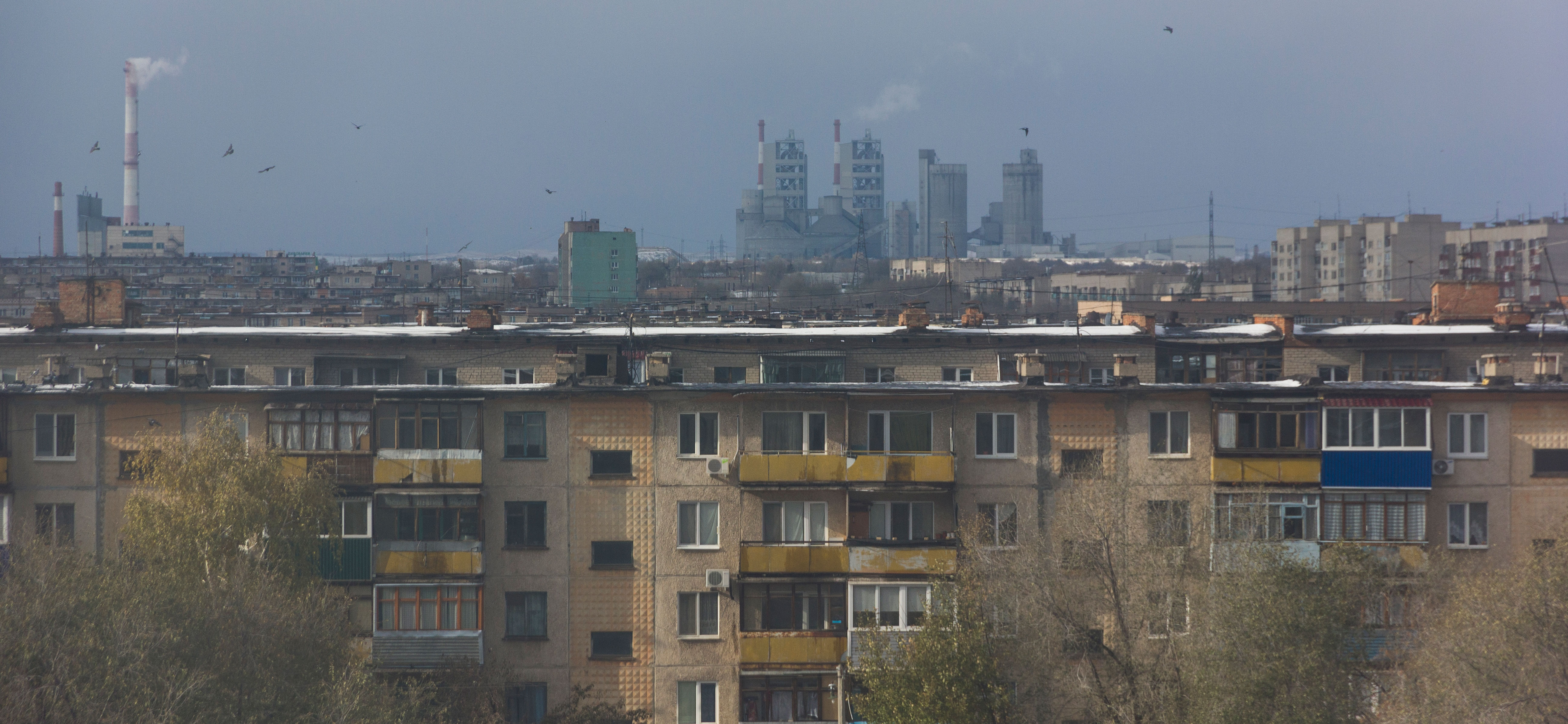
The third distinguishing feature of the metallurgical production—where this overview concludes—is the status of Novotroitsk as a monotown. The "nature" of monotowns lies not in organic urban development, but in their deliberate construction for industrial production rather than human habitation. A monotown (monogorod) Clayton Strange has conducted comparative studies of monotowns, including Novotroitsk, and examined how this model was adopted in India and China through Soviet-supported industrial development programs. Clayton Strange, Monotown: Urban Dreams Brutal Imperatives (San Francisco: Applied Research and Design, 2019). is an urban space where the economy and employment are overwhelmingly dominated by a single industry or enterprise—a lingering and often lamented relic of the Soviet command economy. Tellingly, the lead image on the English-language Wikipedia page for "monotown" is a photograph of Novotroitsk itself. It captures what monotowns have come to symbolize today: smokestacks and smog, economic depression, and urban decay.
Monotowns were often constructed ex nihilo around a single "city-forming enterprise," typically located far from major urban centers. In the case of Novotroitsk, that enterprise was the Ural Steel Metallurgical Plant—a fact made unmistakable by the city's coat of arms, which features a foundry ladle. During the Soviet era, these enterprises did more than provide employment; they also delivered housing, social services, and vocational training. Many workers were assigned to such towns—places they would not have chosen to move to otherwise—cementing a deep dependence on a single industry that continues today.
Today, Russia's more than 300 monotowns—many concentrated in the Urals—grapple with severe industrial pollution, rising unemployment, declining living standards, and steady depopulation. Ural Steel remains the region's main taxpayer, but like many privatized plants—especially after changing ownership—it no longer upholds its former social responsibilities, including environmental stewardship. Residential neighborhoods, originally built near factories for convenient commutes, now lie perilously close to toxic emissions. Yet public protest is scarce, as these plants remain the primary—and often only—source of livelihood.
Escaping from monotowns is difficult: housing is virtually unsellable, and many residents possess highly specialized or non-transferable skills. Still, people are leaving. Novotroitsk's population peaked at 111,000 in 1996 and has since
declined to around 75,000.
These census figures should be treated with caution—particularly the most recent ones—as experts note two key concerns: first, the latest census was conducted during the pandemic, when people were more likely to refuse contact with census-takers; and second, public trust in the government has significantly declined in recent years.
https://www.tatar-inform.ru/news/demograf-aleksei-raksa-tatary-odna-iz-samyx-ustoicivyx-nacii-v-povolze-5893897
In an effort to reverse these trends, the Russian government created the Monotown Development Fund in 2014, and in 2017, Novotroitsk was designated a Territory of Advanced Socio-Economic Development. These initiatives aim to diversify local economies through investment and job creation yet often fail to address the environmental damage left behind. For many residents, the only remaining option is to vote with their feet—and flee the plumes.