Raspadskaya, Kuzbass: Tragedies Measured in Lives per Ton of Coal
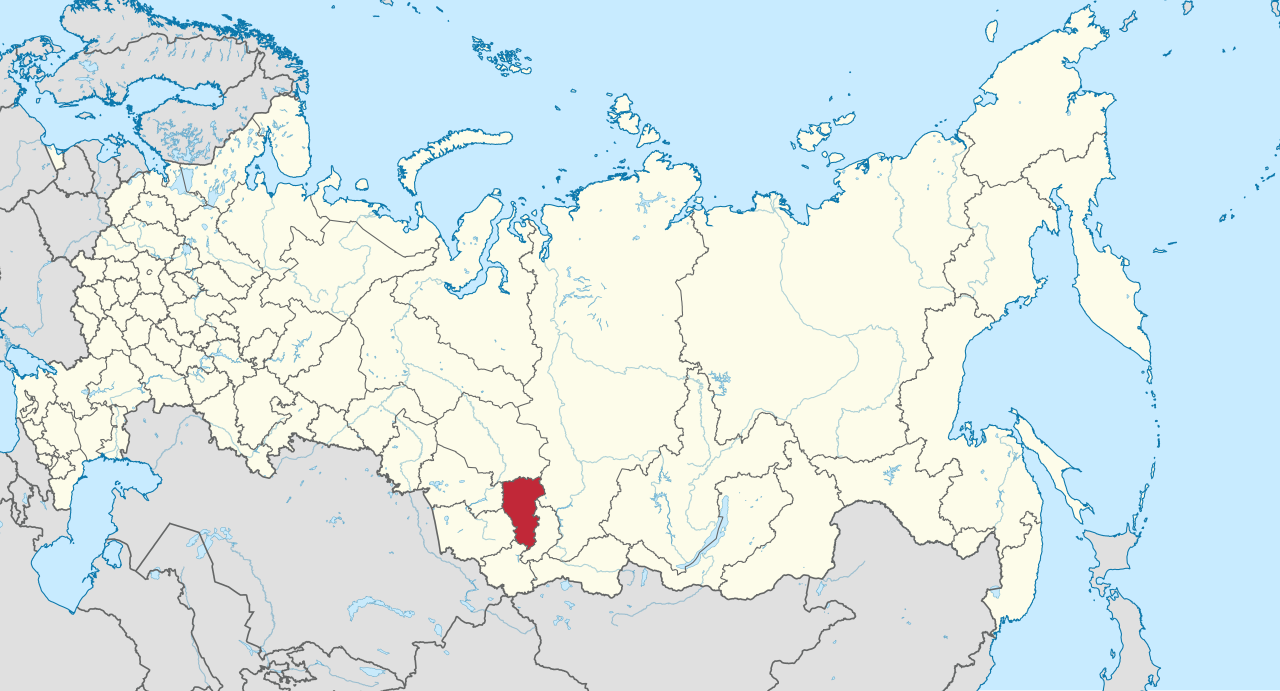
The 1800 Histories Project has identified global methane ultra-emitter sites with their implications for long-term climate change in mind. The micro-histories of these sites —as in the case of the massive longwall coal mine Raspadskaya in Kuzbass (Kuznetsk Coal Basin) in Western Siberia (Kemerovo Oblast, Russia)—can also reveal the dramatically visceral and immediate effects of gas emissions and their sources on human lives and the local environment.
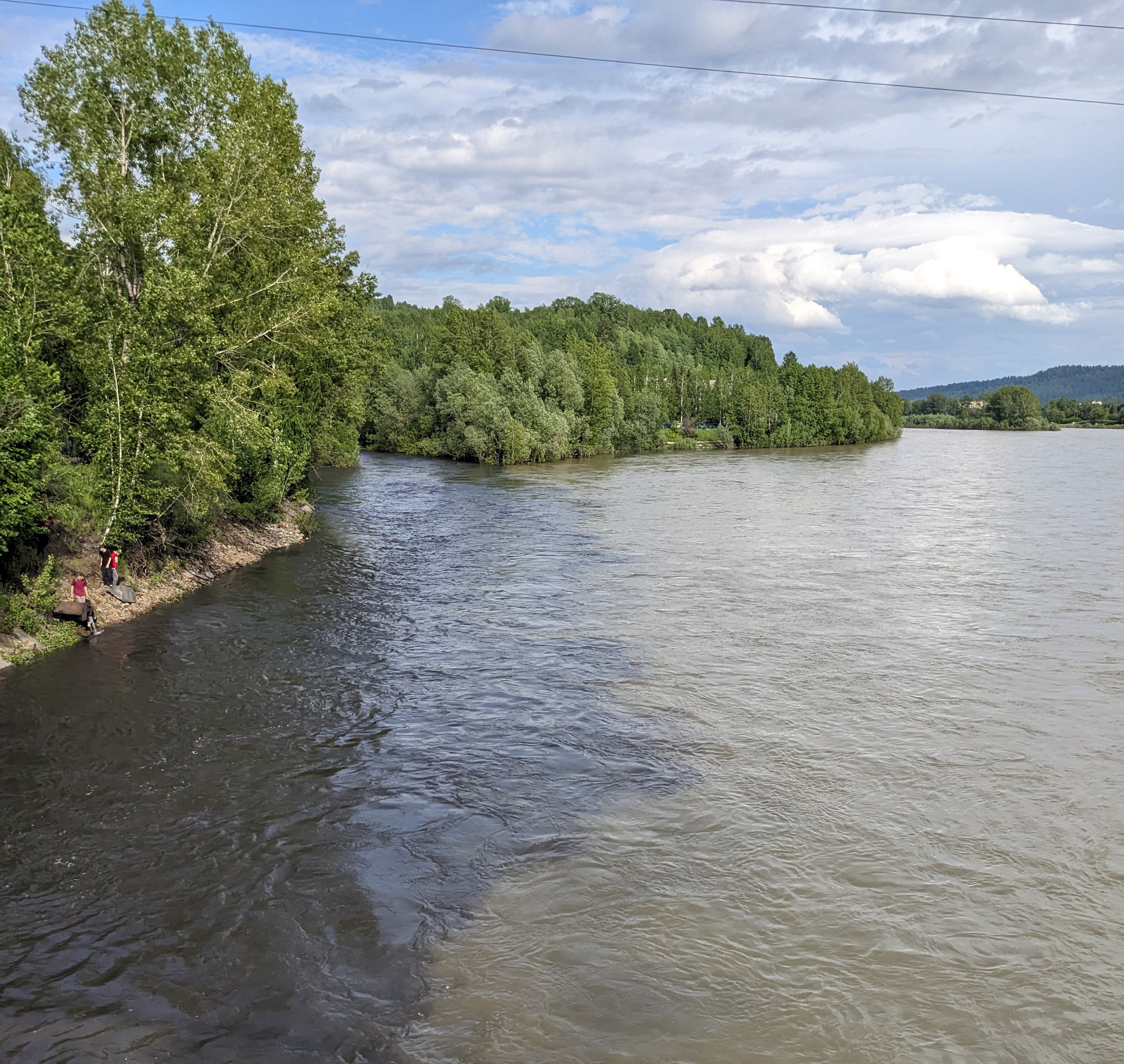
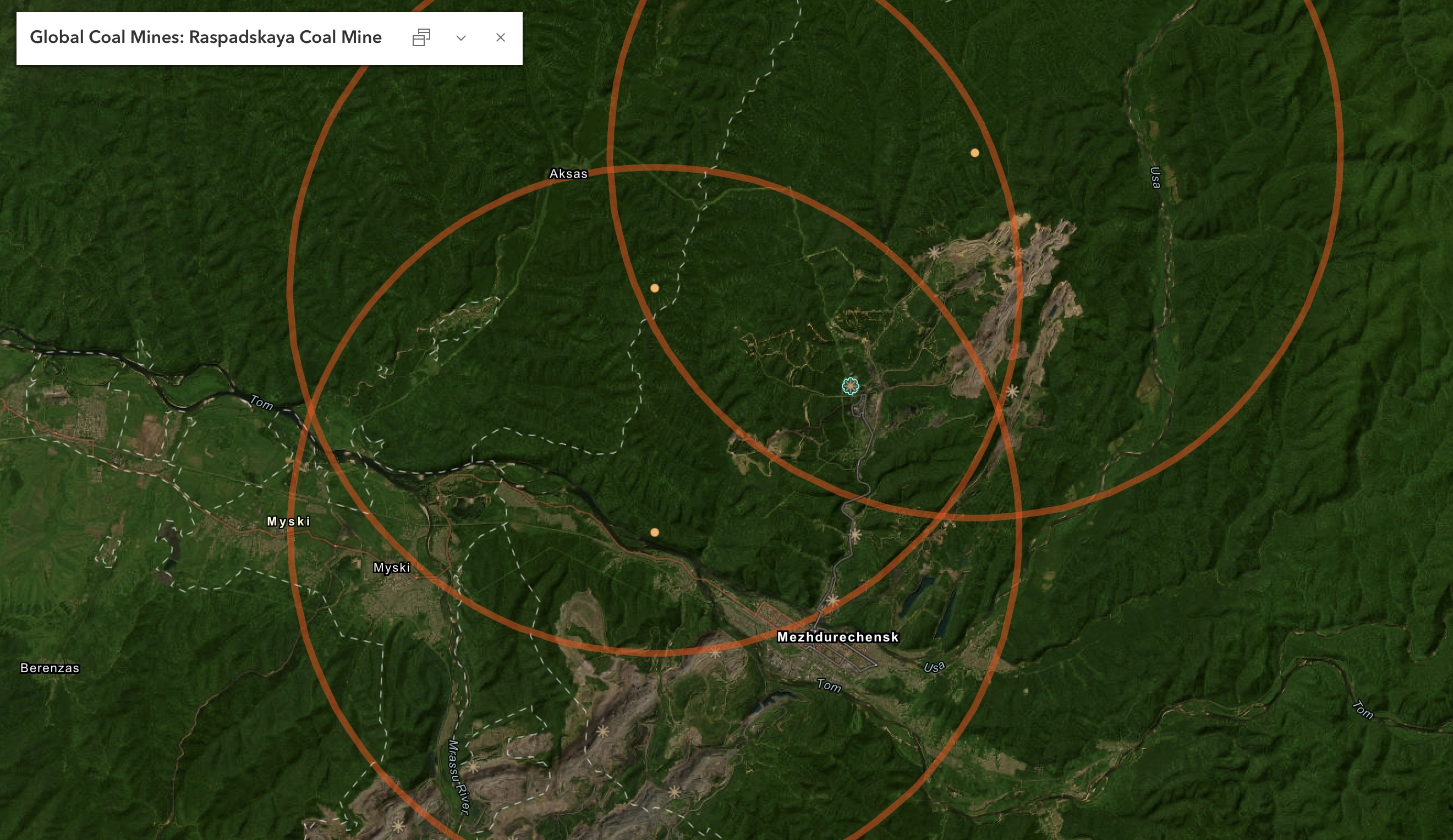
One of these sites cannot be missed: the Raspadskaya mine, near the city of Mezhdurechensk (so named because it is located between two rivers—mezhdu rek, the Tom and the Usa), a mono-town whose economy has revolved around coal extraction. Before 1955, the city was known as Olzheras, after one of the nearby rivers. The city developed with the labor of inmates from the Kamyshovy camp {53.76, 88.09}, which held 13,273 prisoners in 1954, supporting a wide range of extractive, industrial, and construction activities. Lev Gumilev, a major Soviet historian and ethnologist, was interned in this camp. On the contribution of the camps to the industrial and economic development of Kuzbass, see A. B. Konovalov, Istoriia Kuzbassa: v trekh tomakh. Kuzbass ot nachala Velikoi Otechestvennoi voiny do raspada SSSR (1941–1991) , vol. 3, kn. 1, 1941–1964 (Kemerovo: ArtAvis, 2024), 184–190.The history of the first large mines in the area is thus closely intertwined with the Gulag system.
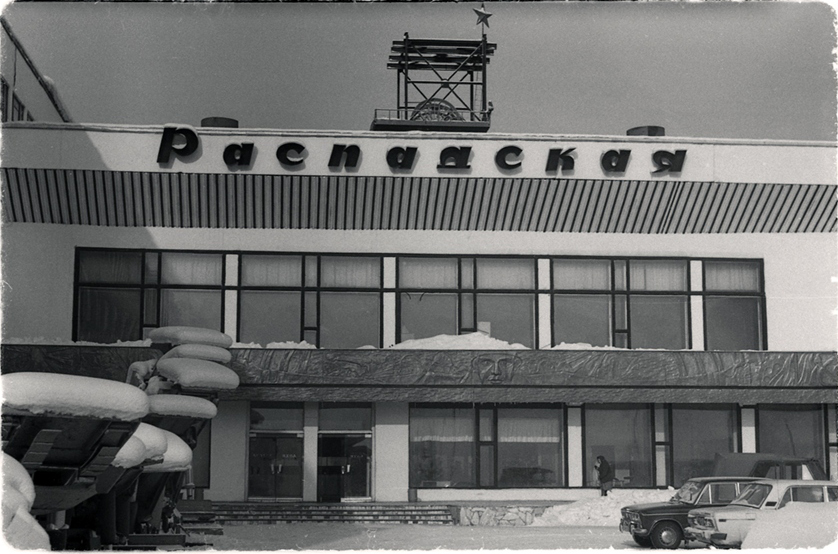
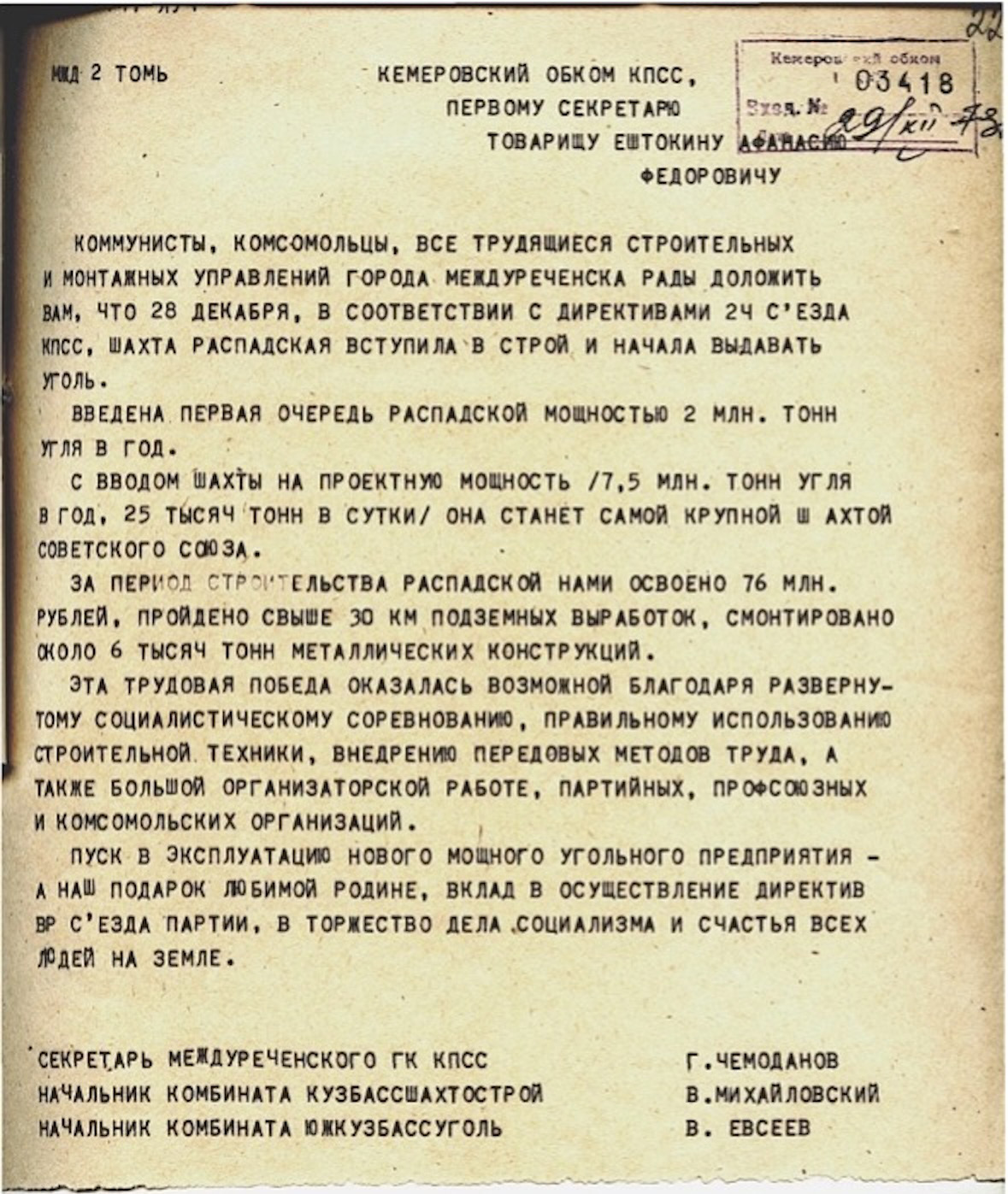
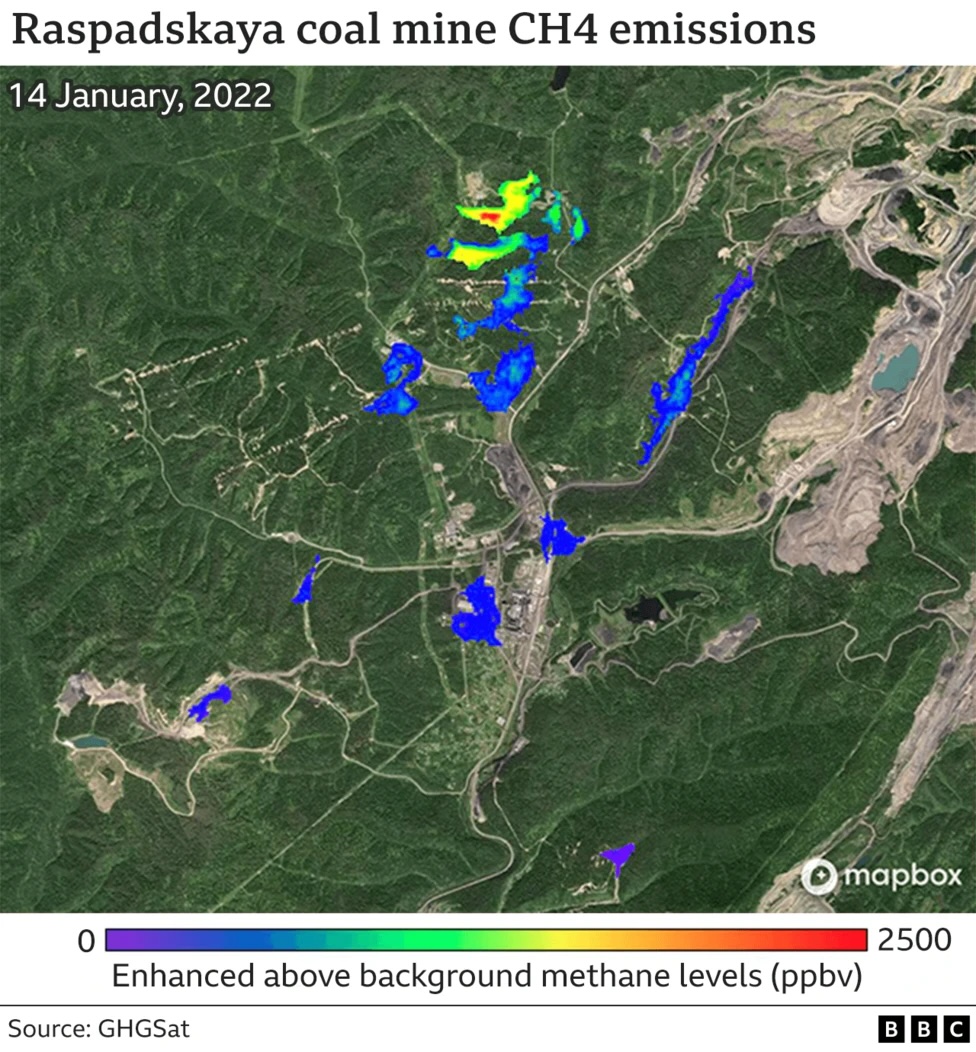
The Raspadskaya Mine opened in 1973, during the period commonly referred to as "stagnation" under Leonid Brezhnev. It quickly became one of the most productive mines in Kuzbass and remains one of the region's major producers today. Right here, three plumes—at {53.82, 87.96} on 29 May, {53.73, 87.96} on 9 July, and {53.87, 88.16} on 9 October 2019—overlapped. To dispel any doubt, in addition to the Copernicus satellite imagery that provided the data for the 1800 Histories project, the Canadian emissions-monitoring firm GHGSat detected an emission of nearly 90 tons of methane per hour from Raspadskaya in January 2022. At the time, GHGSat described the event as "the biggest emission from an individual facility it has ever seen," surpassing a natural gas storage facility in Aliso Canyon near Los Angeles.
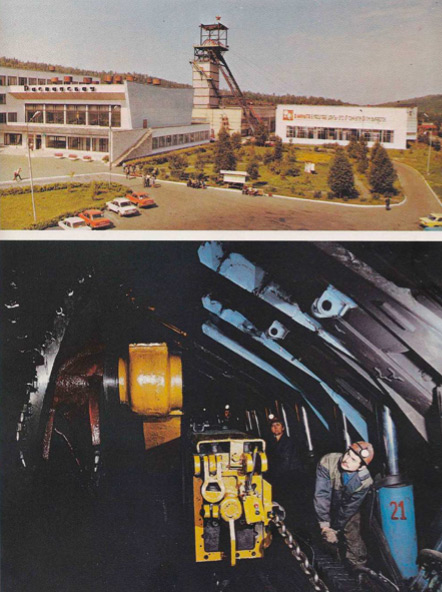
All major news outlets covered the incident. GHGSat also reached out to mine operators. I could not find their commentary from that time, though the news of record emissions might not have come as a surprise, as Raspadskaya is the largest underground coal mine in Russia—a super-emitter by design. It extracted approximately 4.6 Mt of raw coking coal in 2021 and 2022 (according to its 2022 report). The release of methane into the atmosphere to become a greenhouse gas (it is not one yet while it remains trapped in coal mines) could, in fact, be a relief for mine operators, because methane is otherwise a safety hazard—at times fatal—for coal miners.
Earlier, the mine extracted even more—10,56 Mt of coal in 2009, by some estimates 10% of all Russian coal that year. At the time, Raspadskaya company, owned by the vertically integrated steelmaking and mining Evraz Group (registered in the UK but operating in Russia), supplied most of its coal to Evraz' own steel plants, as well as to the Magnitogorsk and Novolipetsk iron and steel plants, the latter two being founded in the 1930s during Stalin's First Five-Year Plan. The largest share of exports (73%) went to Ukraine, including to Evraz' facilities there, and the rest to China, Korea, Japan, Hungary, Romania, and Bulgaria. Since the Maidan Revolution and the annexation of Crimea, the export market has been reoriented towards Asia, a shift later reinforced by sanctions imposed on Evraz following Russia's full-scale invasion of Ukraine by the UK in 2022 and by the EU in 2025.
On 8 May 2010, preparations for the major national holiday, Victory Day—more precisely, its 65th anniversary—were in full swing across Russia, including Kuzbass. The memory of the war has imbued the industrial legacy of the region with special meaning: with Donbass, an historical coal-mining region in Ukraine, occupied by German forces advancing on the Eastern Front, the burden fell on intensifying production in the Soviet East. Far from the scenes of major battles, Kuzbass is seen as a place where Soviet victory in the Second World War was forged, quite literally. Most working men were fighting on the front lines, and wartime photographs commemorate something that was only rarely seen in the mid-twentieth century— female coal miners. On the work of Kuznetsk industry for the war effort, see A. B. Konovalov, Istoriia Kuzbassa: v trekh tomakh, vol. 3, Kuzbass ot nachala Velikoi Otechestvennoi voiny do raspada SSSR (1941–1991), kn. 1, 1941–1964 (Kemerovo: ArtAvis, 2024), 62.
As Russia prepared for Victory Day, the chairman of Evraz, oligarch Roman Abramovich, was not keen on taking an active part in the celebrations, having settled in London. Instead, on that day, he was cheering in the stands of Stamford Bridge for his own FC Chelsea, as he often did, and they thrashed Wigan Athletic 8-0.
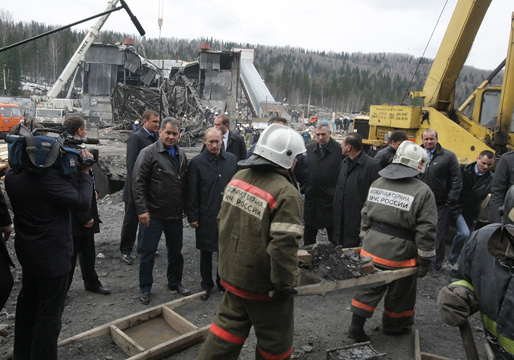
Meanwhile, festive events in Kuzbass that day had to be called off, and the victory of the mine owner's club was a reality too distant in both geography and spirit. Just before midnight on 8 May, a powerful explosion shook the mine: an accidental spark from electrical equipment ignited methane that had accumulated to a critical concentration. For a detailed explanation of the explosions at Raspadskaya, see Iu. L. Vorobʹev, V. A. Akimov, and Iu. I. Sokolov, Sistemnye avarii i katastrofy v tekhnosfere Rossii (Moscow: FGBU VNII GOChS (FTs) MChS Rossii, 2012), 283–286. Four hours later, the next morning, an even larger explosion destroyed most of the mine's workings—more than 300 km of tunnels—as well as its surface structures. A week later, the tunnels were still on fire, and it was decided to flood parts of the mine, even though some miners were still missing.
At the time of the first explosion, 359 miners were underground. Rescue operations commenced before the second explosion, but the accident still claimed 91 lives and injured more than a hundred people (most English-language outlets continue to underreport the number of casualties, placing it in the sixties). A day meant to celebrate the end of the Second World War turned into a day of mourning.
Issues specific to the post-Soviet mining industry help explain this and other catastrophes at large Siberian coal mines. A methane explosion claimed 110 lives at the Ulyanovskaya Mine near Novokuznetsk (also in Kuzbass) in 2007, including almost the entire leadership team, who had coincidentally descended into the mine together with a visiting mining consultant from the UK that day. Before delving into these issues, the prehistory of Kuzbass' emergence as Russia's major industrial region must be told.
This history usually begins with the incorporation of the region into the Russian state. The foundation of the Kuznetsk ostrog (fortress) by Cossacks in 1618 marks the point at which written historical evidence becomes available. Yet the settlement was named after a trade already widespread among the Indigenous population living there—the Turkic peoples whom the colonizers called Kuznets Tatars, or "blacksmith Tatars" (after the endonym of just one of the clans, tatar/tadar-kizhi). Valerii M. Kimeev, Shortsy. Kto oni? Etnograficheskie ocherki (Kemerovo: Kemerovo State University, 2016), 6. Before being forced to pay yasak (tribute) to the Russian tsar, they had been dependent on other steppe rulers, such as the Oirats, supplying them with iron goods the "tatars" crafted themselves. The following quotation from a Russian document of 1622 captures the newcomers' fascination with these local skills:
Near the Kuznetsk ostrog, on the Kondoma and the Mras rivers, there stand great stone mountains. In these mountains the Kuznetsk yasak-paying people take stone. This stone they burn on wood and break into small pieces with hammers; having broken it, they sift it through sieves, and after sifting they pour it little by little into furnaces, and from it iron flows. From this iron they make cuirasses, bekhterets [lamellar armor], helmets, spears, boar-spears, sabers, and all kinds of iron objects, except firearms. These cuirasses and bekhterets they sell to the Kalmyk people for horses, cows, and sheep; and others give tribute to the Kalmyks in iron as well. And there are about three thousand Kuznetsk people in the Kuznetsk land, and all these Kuznetsk people are skilled at every kind of blacksmith's craft. "Kuznetskie akty XVII–pervoi poloviny XVIII v.: sb. dokumentov," vol. 1 (Kemerovo, 2000), 82–83, cited in A. N. Ermolaev et al., Istoriia Kuzbassa: v trekh tomakh. Zemlia Kuznetskaia v XVII–XIX vekakh, vol. 1, kn. 1 (Kemerovo: Kuzbassvuzizdat, 2021), 7. Translations are by the author.
Just who procured the first samples of coal near the site of the future city of Kemerovo and delivered them to Russian authorities in the early eighteenth century—and thereby provided the grounds for the official "discovery" of the deposits—remains a matter of debate. The discovery is attributed either to the prospector Mikhailo Volkov, who reported finding the "Burning Mountain," the name by which the coal deposit subsequently became known, or to Daniel Gottlieb Messerschmidt, a German explorer in Russian imperial service. For the evidence, see I. V. Kovtun, Pisʹmagora (Istoriia otkrytiia i issledovanii: 1630–1956 gg.) (Kemerovo: Aziia-Print, 2013), 32–51. The region was increasingly settled by Slavic peasants and also saw the development of early industry, as these settlers steadily took over vernacular ironmaking from Indigenous inhabitants, compelling them to shift towards hunting and trapping in order to pay yasak in furs. This nascent industry, like so many others, developed with the involvement of the Demidov family, who were instrumental in the expansion of Russian industrial development in the Urals and the rest of Asiatic Russia.
Industrial coal mining did not fully take off until the Soviet era. The extraction of coal alongside iron ore, silver, and gold remained limited in the region under the Russian Empire. One of the most important earlier stages was the first systematic attempt to map the deposits, carried out by geologist Pyotr Chikhachev in the 1840s—this is when the notion of the "Kuznetsk Basin" began to take shape. For Chikhachev's full account of his extensive travel and exploration across what is now the Altai, Tyva, and Kazakhstan, see P. A. Chikhachev, Puteshestvie v Vostochnyi Altai: Tsentralʹnaia Aziia v istochnikakh i materialakh XIX–nachala XX veka (Moscow: Nauka, 1974), 358. Among the first sites to be developed industrially, though still tentatively, was the Bachatsky coal field, located near the first metallurgical plant in Siberia, the Guryev plant (founded in 1816). The construction of the Trans-Siberian Railroad gave further impetus to extractive industries in the late nineteenth century.
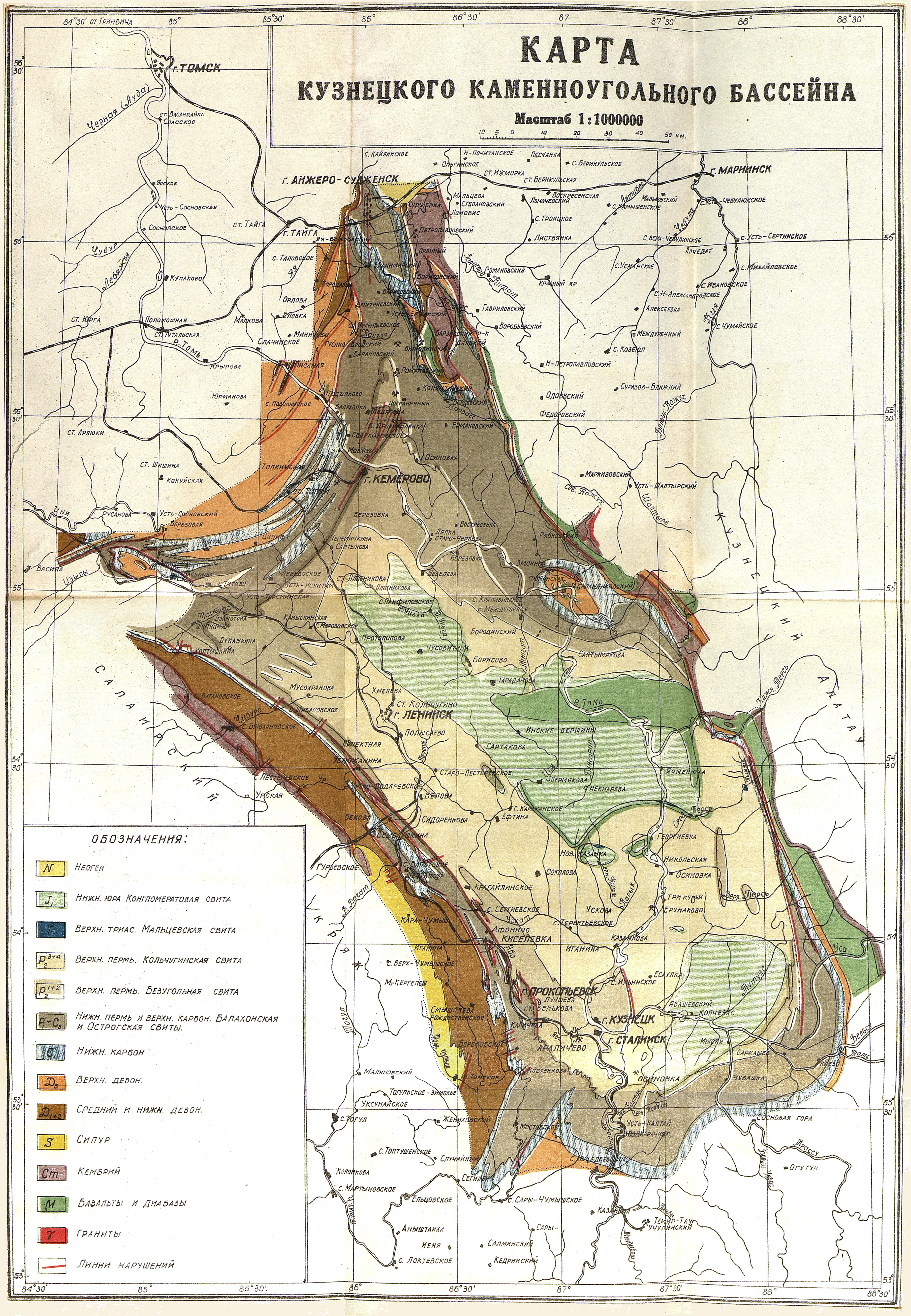
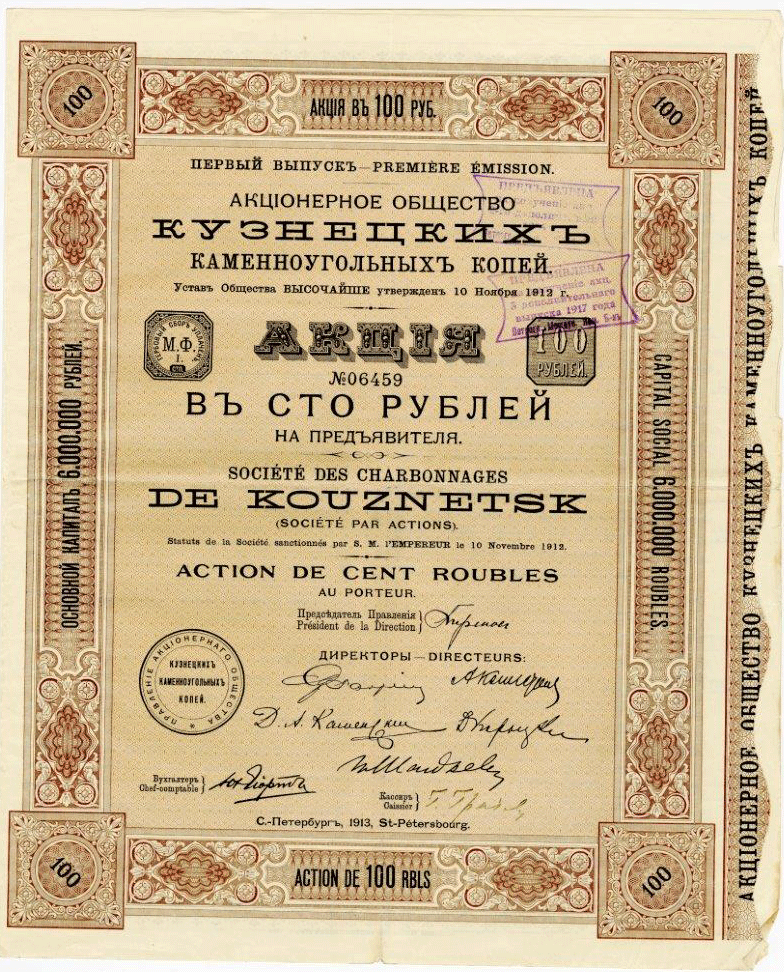
The early twentieth century saw dramatic changes in Kuzbass, some specific to the region, others encompassing the whole empire that was soon to collapse, amidst the turmoil of the First World War. In order to attract private capital for development, the imperial government approved the establishment of an industrial monopoly, Kopikuz, or the Joint Stock Company of the Kuznetsk Coal Mines, in 1912. The company was financed jointly by Russian and French banks and was managed from Saint Petersburg and Tomsk. During its short existence, Kopikuz transformed Kuzbass into a new industrial center. It spearheaded the "second discovery" of coal deposits, which revised estimates of their size and established the region as one of the richest coal basins in the world. Kopikuz built new mines, coke, and metallurgical plants, and founded workers' settlements that would grow into major regional cities. At its height, the company employed more than 5,000 workers, providing them with social benefits. New transportation lines, including a rail connection to the Trans-Siberian Railway, enabled the export of coal across Siberia and to the Urals. At this time, ironmaking in Russia shifted from the use of charcoal to coking coal. The development of Kuzbass was crucial during the First World War, as the war zone engulfed Donbass, making the need for an alternative production center in the East acute. Kopikuz continued its operations through the war, the revolutions, and the Civil War, ending its capitalist stage in 1919.
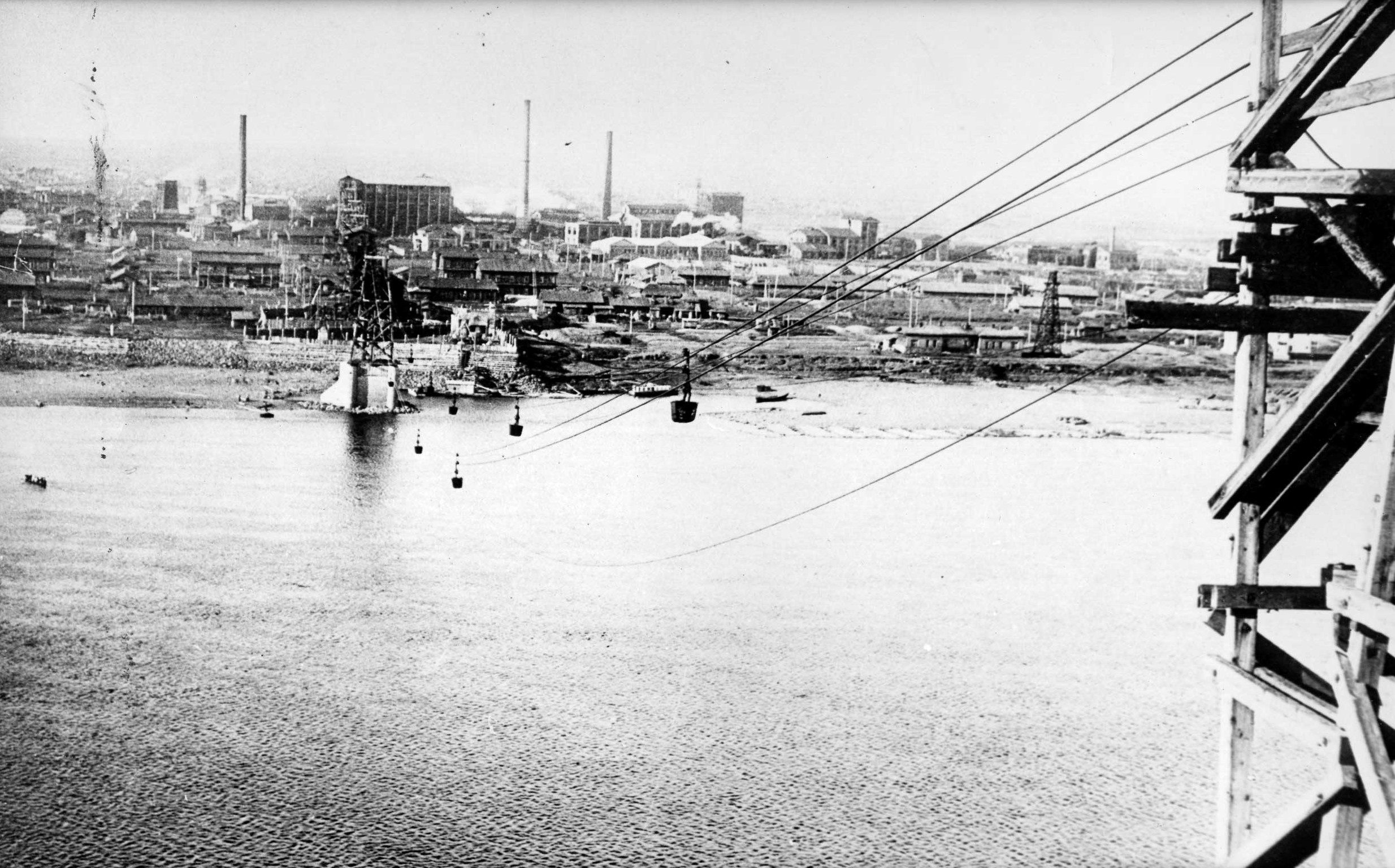
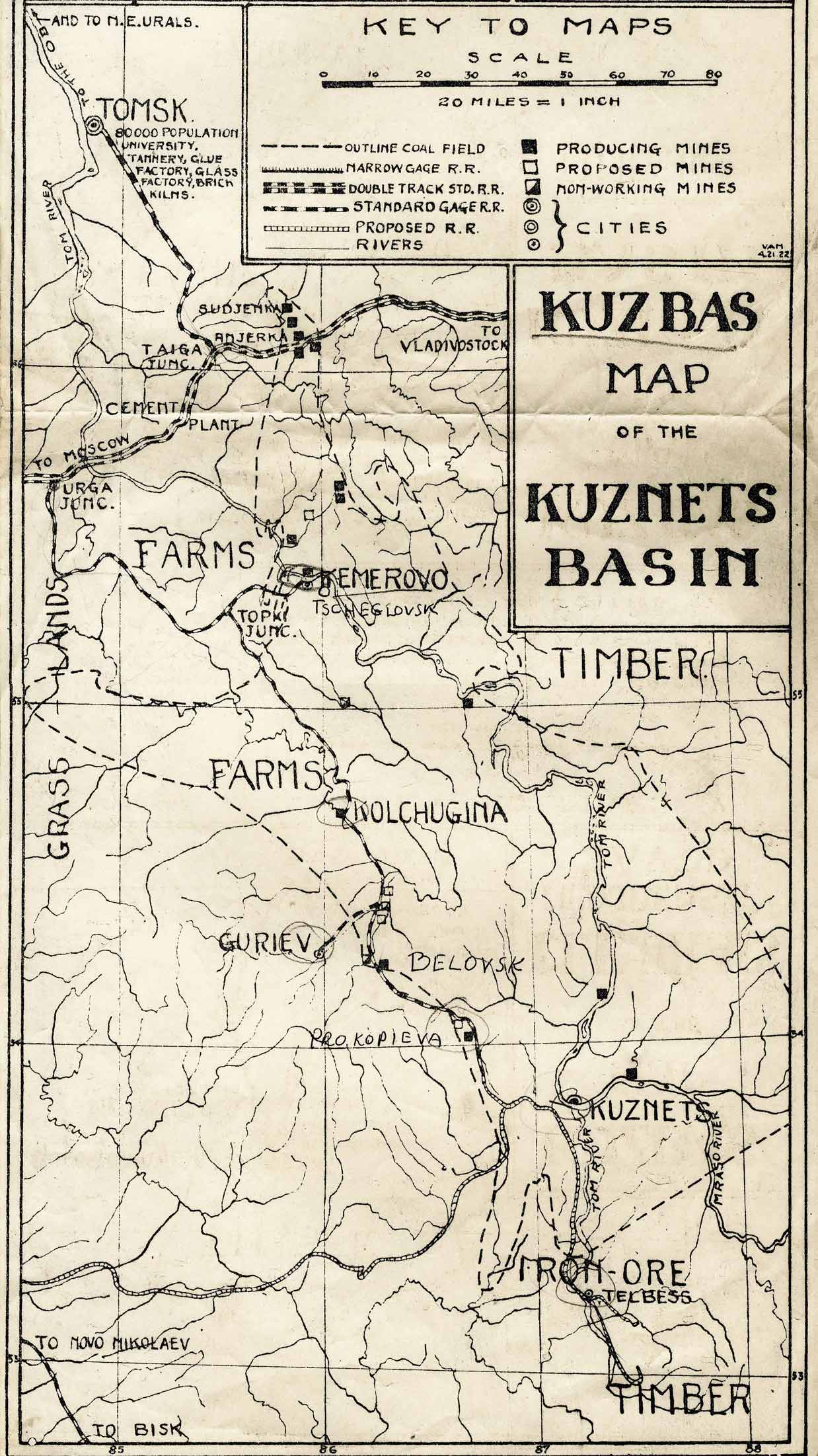
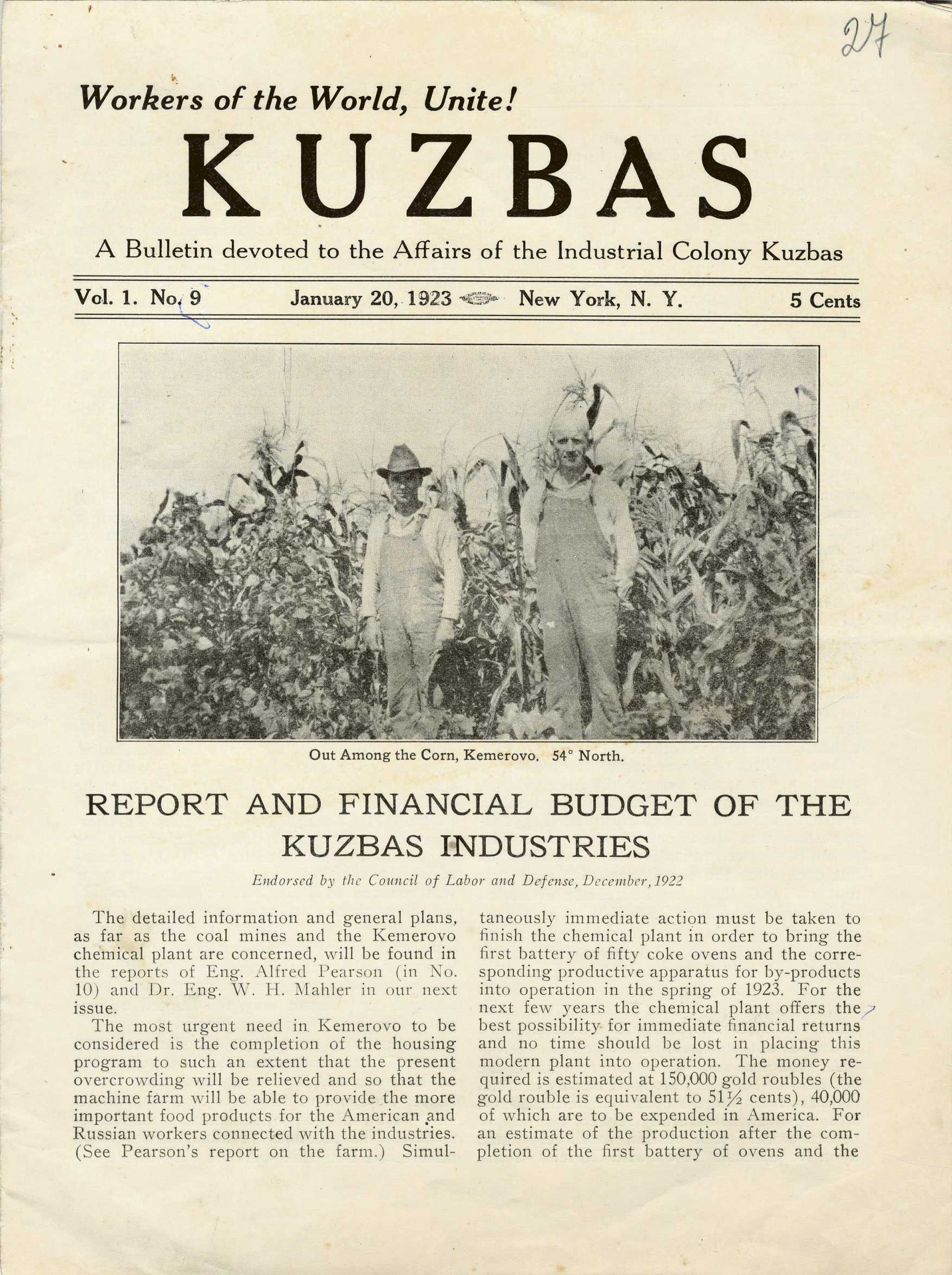
In 1921, responding to Lenin's call to help restore the country's economy and organize the industrial base of the new socialist state, the Dutch labor leader Sebald Rutgers, together with the Americans Bill Haywood and Herbert Stanley Calvert approached the Soviet leadership with an offer to establish a colony of foreign workers and specialists in Kuzbass. The Autonomous Industrial Colony (AIC) maintained offices worldwide that recruited hundreds of people, mostly Americans (hence its nicknames, the "American Colony" or "Little Pennsylvania"), to settle with their families and work near Kemerovo from 1922 to 1926. Only a few of the colonists stayed permanently, and some of these were later repressed. They experienced significant hardship, and the AIC's leaders often clashed with Soviet economic officials. Yet this unique experiment succeeded in boosting production in Kuzbass and in laying the foundations for infrastructure—including social infrastructure—that outlasted the USSR itself. The scholarship on the AIC is limited; for the best accounts, including first-hand ones, see Anna Louise Strong, From Stalingrad to Kuzbas: Sketches of the Socialist Construction in the USSR (New York: International Publishers, 1932), and J. P. Morray, Project Kuzbas: American Workers in Siberia (1921–1926) (New York: International Publishers, 1983), 174.
The USSR's political and economic structure then changed, putting an end to this experimental micro- "International" in Siberia. The first Stalin Five-Year Plans established Kuzbass as a core node of Soviet industrial modernity, giving rise to yet more—and larger—underground and open-pit mines, coal-processing facilities, power-generation plants, and metallurgical production complexes. The ultimate goal of the Soviet government was to transform an agrarian society into an industrial one, and regions such as Kuzbass became emblematic of this transformation—especially in the remote and ostensibly "backward" eastern lands of Soviet Siberia. The Communist Party famously elevated heroic miners with record-breaking achievements, such as Alexei Stakhanov in Donbass, using them as models for increasing worker productivity.
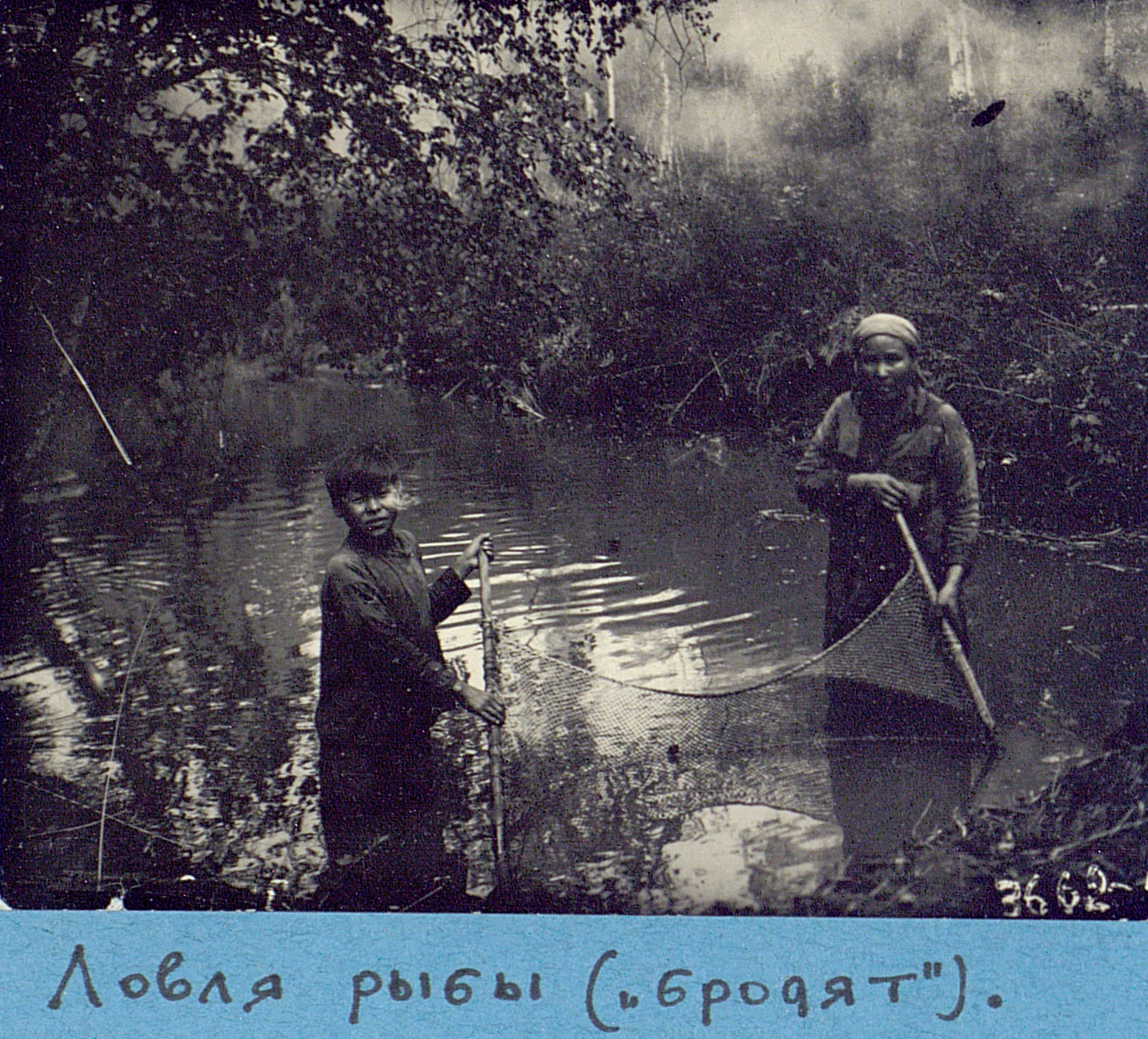
Yet another short-lived early Soviet experiment was the Shor Autonomous District, which existed from 1925 to 1939 in the south of Kuzbass, a territory most densely populated by this Indigenous group. At the time, in line with korenizatsia—the policy of integrating non-Russian nationalities into local governance—and nationwide anti-literacy campaigns, the Shors were actively supported in developing a written language. Kuzbass — Rossii kladovaia: katalog istoriko-dokumentalʹnoi vystavki (Kemerovo: Arkhivnoe upravlenie Kuzbassa; Gosudarstvennyi arkhiv Kuzbassa, Vektor-Print; Primula, 2021), 164–65.
In the 1930s, Soviet nationalities policy was reversed, and the region was once again Russified as industrialization and urbanization took priority. The Shor Autonomous District was dissolved; today, some Shors attribute the ongoing marginalization of their communities directly to this event, even though, since 2000, their rights as Indigenous small-numbered peoples of the Russian Federation have been protected by law. Postanovlenie Pravitel'stva Rossiiskoi Federatsii No. 255 of 24 March 2000, "O Edinom perechne korennykh malochislennykh narodov Rossiiskoi Federatsii." On what activists today see as the unlawful dissolution of the autonomous district, see Liubov' Chul'zhanova, Golos rodnoi zemli: sbornik statei (Mezhdurechensk: Lotus-Press, 2016). The liquidation of Shor collective farms as "perspectiveless" in 1960 struck another blow to these communities, pushing them further toward urban assimilation. Valerii Kimeev, "Russkaia kolonizatsiia kak osnova formirovaniia shorskogo etnosa," SibSkript 3, no. 3 (59) (2014), 76. The main alternative offered by the Russian state was the Shor National Park of 1,614 square miles (4,180 km²), established in 1989. For Soviet writers, the Shors often appeared hopelessly "backward," considered suited neither to farming nor animal husbandry. Coal mining and related industries were presented as almost a lifeline offered by the Soviet economy. This applied to people who had traditionally lived in close relation to the land as fishers, trappers, and small-scale farmers, collecting cedar nuts and honey, and connecting with the spirit world through shamanic practices, while venerating the bear above all other non-human neighbors. T. A. Shatskaia, Mezhdurechensk (Kemerovo: Kemerovskoe knizhnoe izdatel'stvo, 1978), 14. On some of the occupations and beliefs of the Shors as they were studied by early Soviet anthropologists, see I. D. Khlopina, "Gornaia Shoriia i shortsy," Etnograficheskoe obozrenie, no. 1 (1992): 107–145, and "Gornaia Shoriia i shortsy," Etnograficheskoe obozrenie, no. 2 (1992): 134–147.
The Shors worked with Soviet authorities. It was not a secret that some of the largest iron ore deposits in Kuzbass were discovered—and in some cases even named after—the Indigenous inhabitants, who were sometimes praised for their exceptional attentiveness to nature and geology. M. G. Levin and L. P. Potapov, eds., Narody Sibiri (Moskva: Izdatel'stvo Akademii Nauk SSSR, 1956), 515, 523. These include, for instance, the site of a former ore field, now the popular ski resort of Sheregesh.
The NKVD, the Soviet secret police overseeing an archipelago of forced-labor camps across the USSR, was a major organizer of economic production in the national periphery and a key mobilizer of its labor force. Stalinist repression had a profound impact in Kuzbass and is central to the present microhistory. Turning to the history of the Shors, many fell into disgrace under Stalin, being detained and, in some cases, executed on alleged—and fantastical—charges of connections with Japanese intelligence. In the same period, incidents related to methane -- accumulating in coal mines and occasionally exploding, leading to significant accidents despite the still relatively moderate pace of extraction – were used to justify the persecution of political opponents as "wreckers" and "enemies of the people," allegedly sabotaging the construction of socialism. Shor language primers first appeared in Latin script and later in Cyrillic, followed by textbooks. A. N. Ermolaev et al., Istoriia Kuzbassa: v trekh tomakh. Kuznetskii krai na perelome epokh v 1890 kh – nachale 1940 kh godov, vol.2, book 2 (Kemerovo: Kuzbasskaia mediagruppa; ArtAvis, 2021), 136, 277.
Coal mining intensified across the USSR throughout the twentieth century. Accidents persisted, however, and became much less tolerated during the political liberalization of the late Soviet period. As the associated nature destruction became increasingly difficult to ignore, especially amid the growing global environmental movement, even Soviet leaders began to take steps toward its mitigation.
Poor working conditions and pollution, along with generally low quality of life, compelled miners across the USSR—from East Ukraine to West Siberia, including Kuzbass and Mezhdurechensk—to organize the largest strikes in Soviet history in 1989, a phenomenon historians For a full historical account of events from the time, see Theodore H. Friedgut and Lewis H. Siegelbaum, "The Soviet Miners' Strike, July 1989: Perestroika from Below," The Carl Beck Papers in Russian and East European Studies, no. 804 (1990), 26–26. have called "perestroika from below."
Increasingly in the late socialism, industrial managers introduced programs for the recultivation of land disrupted by coal mining, as well as methods for the more efficient use of waste products from coal processing. B. F. Bratchenko, Ugol' SSSR (Moscow: Nedra, 1985), 193. At the same time, open-pit mining proliferated: it was both much safer for workers, since the accumulation of methane in enclosed spaces was no longer an issue, and less costly. However, like the infrastructure embedded in underground mining, open-pit extraction not only involves large-scale environmental intervention—for instance, deforestation along vital riverbeds—but also produces what observers have called "moonscapes," where vast territories are stripped of everything, leaving only exposed coal seams . Instead of accumulating in tunnels, where flammable coal dust is dangerous, dust is released and spreads from open pits into the surrounding environment. Coal dust makes a striking contrast with the white Siberian snow during the cold season and is visible in waterways.
The 2010 tragedy brought into sharp relief the unresolved tension between production pressures and workers' safety in post-Soviet industrial extraction at Russia's resource frontier. More broadly, unless coal mine methane (CMM) is captured and used as an energy source or flared, it presents a dilemma: it is both a potentially lethal gas for miners and a greenhouse gas with long-term planetary consequences.
With the dissolution of the USSR, the onus once again fell on Kuzbass to serve as a key provider for the economy of the new Russian state. This time, it was not due to wartime occupation of western coal-mining centers: Donbass in Ukraine and Karaganda in Kazakhstan came under the jurisdiction of independent states (though the Russian government has since sought to reassert control over parts of Donbass). At the same time, many Russian mines closed during the restructuring crisis of the 1990s, particularly those deemed unprofitable or lacking long-term prospects. Speaking at a meeting at Raspadskaya in 2002, President Vladimir Putin emphasized that the coal industry was key to the Russian economy and that the importance of the sector would increase in the future. Kuzbass — Rossii kladovaia: katalog istoriko-dokumentalʹnoi vystavki (Kemerovo: Arkhivnoe upravlenie Kuzbassa; Gosudarstvennyi arkhiv Kuzbassa, Vektor-Print; Primula, 2021), 248-249.
The overseeing companies, now private or semi-private, sought to increase the productivity of Russian mines by taking advantage of the state's opening to global markets and importing highly effective foreign equipment. Mine productivity increased dramatically, as operations expanded faster, deeper, and further into both coal seams and intermingled methane deposits. Large amounts of highly inflammable coal dust accumulated at the coal face. Meanwhile, safety protocols and equipment failed to keep pace. Raspadskaya and other mines extract bituminous coal for use as coking coal in the steel industry, and these enterprises are vertically integrated with metallurgical plants, which have often taken priority in modernization. The general dynamic that increased the risk of methane explosions in post-Soviet mega-mines is explained here: Vorobʹev, Akimov, and Sokolov, Sistemnye avarii i katastrofy v tekhnosfere Rossii, 174–179.
These shortcomings have been politically and socially produced. In the Soviet command economy, mines were tasked with fulfilling centrally assigned targets (Stakhanovites famously went above and beyond to overfulfill them). In the post-Soviet period, production followed market demand, which was often driven beyond safe capacity, while miners were individually incentivized through pay structures tied to output. Their base salaries were extremely low for such dangerous and physically demanding work, pushing them to exceed targets in order to earn bonuses that made their wages livable for themselves and their families—often at the expense of safety, and in some cases, their lives.
The investigation into the tragedy at Raspadskaya revealed severe violations of safety rules on the part of workers themselves, which were consciously ignored—if not encouraged—by management. When methane detectors—critical devices indicating dangerously high methane concentrations—were triggered, work in the mines had to be suspended for up to an hour or more at a time. Commonly regarded as a major disruption to workflow rather than a safety measure, miners at Raspadskaya reportedly used various means to cover the detectors in order to continue working. During the explosions, the alarm system proved ineffective at transmitting warnings and evacuation commands to all sections of the mine. Moreover, rescue equipment, including vital self-contained self-rescue devices, was found to be out of order, giving miners little chance of traveling far enough through the more than 300 km of tunnels to evacuate.
The many deaths and injuries inflicted by the two huge explosions in May 2010 truly shook the whole of Mezhdurechensk. Survivors, their colleagues, and their families, together with the wider community, came out to protest on May 14. Working under the threat of dismissal and the danger of unemployment, miners for the first time publicly admitted to tampering with methane detectors and blamed their bosses for pushing them toward fatal negligence. Protesters blocked the railway; dozens were arrested and charged with criminal offenses, and the rallies were suppressed by riot police. Governor Aman Tuleyev dismissed the protesters and their demands, claiming that they consisted merely of hotheaded youth and bandits.
In July 2010, a federal law mandating the degassing (methane drainage) of coal mines was passed as a direct response to the explosions at Raspadskaya. Both industrial safety rules and wage structures were subsequently reformulated. Safety oversight was assigned to Rostekhnadzor, separating regulatory agencies from those responsible for production, while the Ministry of Emergency Situations was charged with rescue operations. The government also incentivized coal companies to invest more in the development of safety technologies, methane utilization programs, and coal-dust reduction measures. Accidents still occur, but on a smaller scale than in previous decades. Satellite plume data indicate that Raspadskaya still has further progress to make in limiting its methane emissions.
In the Raspadskaya company's website "History" page, the events of 2010 have no place. The website showcases only recent achievements and ambitious goals for the future, with the accidents effectively erased from its narrative, suggesting an unwillingness to confront its darker moments and inadvertently perpetuating a culture of opacity in its business practices. Methane emissions are similarly mentioned exclusively in the context of successful capture and utilization. In 2022, the company promised to decrease methane emissions by 75% by 2030; today, the target has been revised to 20% within the framework of its "ecological goals." The company also makes symbolic gestures, such as "adopting" marals—Siberian red deer—in the Kuznetsk Alatau Nature Reserve (established in 1989) and financially supporting their food, care, and maintenance. Yet progress toward limiting greenhouse gas emissions remains unclear, in light of the plumes detected in recent years.
After years of trials and investigations, and despite clear negligence on the part of mine leadership that led to the deaths of 91 people on May 8–9, 2010, the court case against them was closed due to the expiration of the statute of limitations. None of the eight leaders put on trial were held responsible for the accident or for how it was handled; the families of the deceased miners have kept fighting and demanding justice. The incident was recalled once again when a methane explosion at another Kuzbass mine, Listvyazhnaya, took fifty-one lives in 2021, prompting public commentary that little had changed since 2010.
As for the Shors, whose population of roughly 13,000 has continued to decline, they have been victims of slow violence in the form of the gradual destruction and contamination of their lands, as well as more immediate forms of violence associated with the coal industry. Kimeev, Shortsy. Kto oni?, 4–5; on the unequal effects of environmental impacts on marginalized groups that often remain invisible and ignored, see Rob Nixon, Slow Violence and the Environmentalism of the Poor (Cambridge, MA: Harvard University Press, 2011). In the post-Soviet period, the Shors remain marginalized and discriminated against, still treated as backward and blamed for allegedly improper attitudes toward nature, including practices Russian scholars have identified as poaching. Problemy integratsii i natsional'nogo samoopredeleniia korennykh narodov Iuzhnoi Sibiri: (1920-e gg.–nachalo XXI v.): avtoreferat dissertatsii na soiskanie uchenoi stepeni doktora istoricheskikh nauk, spetsial'nost' 07.00.02 (Tomsk: Tom. gos. un-t, 2008), 38. In the mid-2010s, the Yuzhnaya Coal Company virtually wiped the Shor village of Kazas {53.60, 87.84}, located within the area affected by the plumes near Raspadskaya, off the map. Chulʹzhanova, Golos rodnoi zemli, 151-152, 196-197. With little intervention from local authorities, the company first restricted entry to and exit from the village, then initiated blasting operations that destroyed the Shors' sacred Lysaya ("Bald") Mountain and repeatedly covered the settlement in dust, making it unlivable. The company bought out houses and allegedly threatened to burn the remaining ones. Those who refused to sell indeed saw their houses burned down. The community continues to fight for its lands and to preserve the natural environment threatened by industry. The Shors have been active in voicing their protests against pollution and environmental destruction, advocating for nature conservation. Alexander Arbachakov, founder of the Taiga Research and Protection Agency (AIST), was awarded the Whitley Award for his work in 2006.
From indigenous ironmaking onward, the Kuzbass coal basin became a major asset to the Russian imperial and Soviet economies. Over the past century, coal extraction has expanded into a vast technoscape of mines, transport networks, industrial and energy facilities, and urban agglomerations, placing increasing pressure on local ecosystems. Methane has long been an intrinsic hazard of coal mining, causing fatal accidents throughout the Soviet and post-Soviet periods. Its release from coal seams has also contributed to the broader environmental costs of extraction, compounded by the disruption of the post-Soviet transition to a market economy and the continued treatment of Siberian land primarily as a resource for exploitation, often at the expense of its ecosystems and communities.