
Penzenreuth-Conclusion
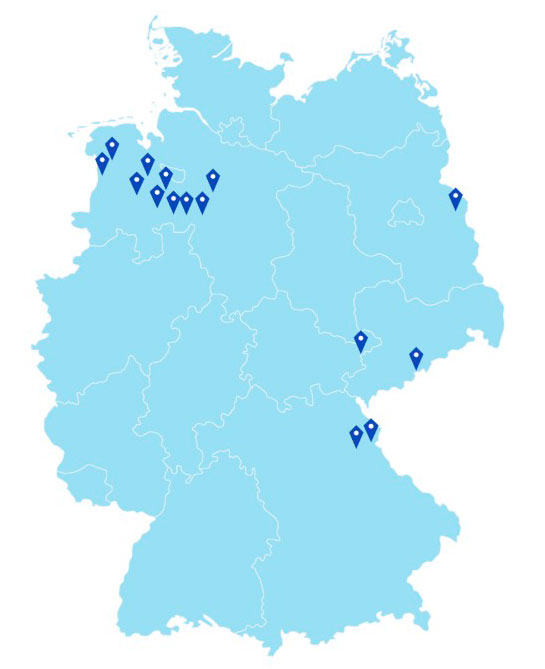 A borehole? A pond? A paper factory, or something else entirely? Our search for the source of a methane plume in the Upper Palatinate area of Southern Germany remains inconclusive. Perhaps the best candidate is, after all, a nearby natural gas pipeline running from the Baltic to Czechia into Germany. In 2020, the Clean Air Taskforce together with the Deutsche Umwelthilfe identified two natural gas compressor stations close to Penzenreuth as large sources of methane.
Despite this lingering uncertainty, the search yields two important lessons.
First, the multitude of possible emission sites is remarkable. This diversity illustrates that behind each of the 1,800 data points on the global methane map lies not just one, but many stories. To curb emissions effectively, we need an similarly wide range of policy measures, regardless of the narrow geographic context in which they apply.
Second, this multiplicity of possibilities underscores the need for precise and comprehensive measurement of methane. Without detailed data, we can neither narrow down possible explanations nor know how to prioritize and recommend policy interventions. Should Bavaria take steps to cover the deep drilling borehole? Or regulate the agriculture close to the ponds?
Currently, the additional data is not just sparse but entirely absent. The Umweltbundesamt monitors methane emissions indirectly, by accounting for industry-level economic activity. The Landesamt für Umwelt in Bavaria does not separately monitor methane. Neither agency could refer us to an institution that does. As a result, we are left to take the possible emitters themselves at their word, leaving us unable to move beyond speculation. Policymakers face similar challenges, and must draft legislation based on limited facts, or refrain from legislating altogether. For Germany to successfully tackle its Climate Action 2030 program and the Federal Climate Change Act, as well as the broader EU Methane Strategy, it needs to invest in measurement infrastructure. Otherwise, new EU methane regulations that require operators "to stop avoidable and routine flaring" are not enforceable in practice.
While the search for an explanation of this specific emission site remains unresolved, a strong conclusion emerges: we need more comprehensive measurement. Remote sensing can only be one part of a broader strategy.
| « Ponds | Introduction » |