
Introduction
"Oh look, what is this," I asked my travelling companion. We were just about to leave Naroŭliia, a small town in Homel' region in southeastern Belarus, and I was looking at the map, trying to decide which road to take that would take us further into the Polesian marshes. Just to the south-east of Naroŭliia, there was an enclosed area on the map marked with the words "Polesski gosudarstvennyi radiatsionno-ekologicheskii zapovednik," Belarus has two official languages, Russian and Belarusian. Street signs are usually in Belarusian, but much else, including state administrative correspondence, is in Russian. The road map we used was in Russian. The Belarusian name of the reserve is Paleski dziarzhaŭny radyiatsyina-ekalagichny zapavednik. Polesian State Radiation-Ecological Reserve.


At first, I did not understand. What could a radiation-ecological reserve be? Then, I began to wonder. What if this reserve were connected to the Chernobyl disaster of 1986, the world's worst nuclear power disaster so far? In April of that year, reactor No. 4 of the Chernobyl Nuclear Power Plant exploded near the city of Pripyat in northern Ukraine. Pripyat is located about 150 kilometers to the north of Kyiv and only about 20 kilometers from the Belarusian-Ukrainian border. I knew that nuclear fallout from the explosion had affected southern and eastern Belarus, too – and in large quantities – but somehow, inexplicably, I never thought about just where exactly these areas were.
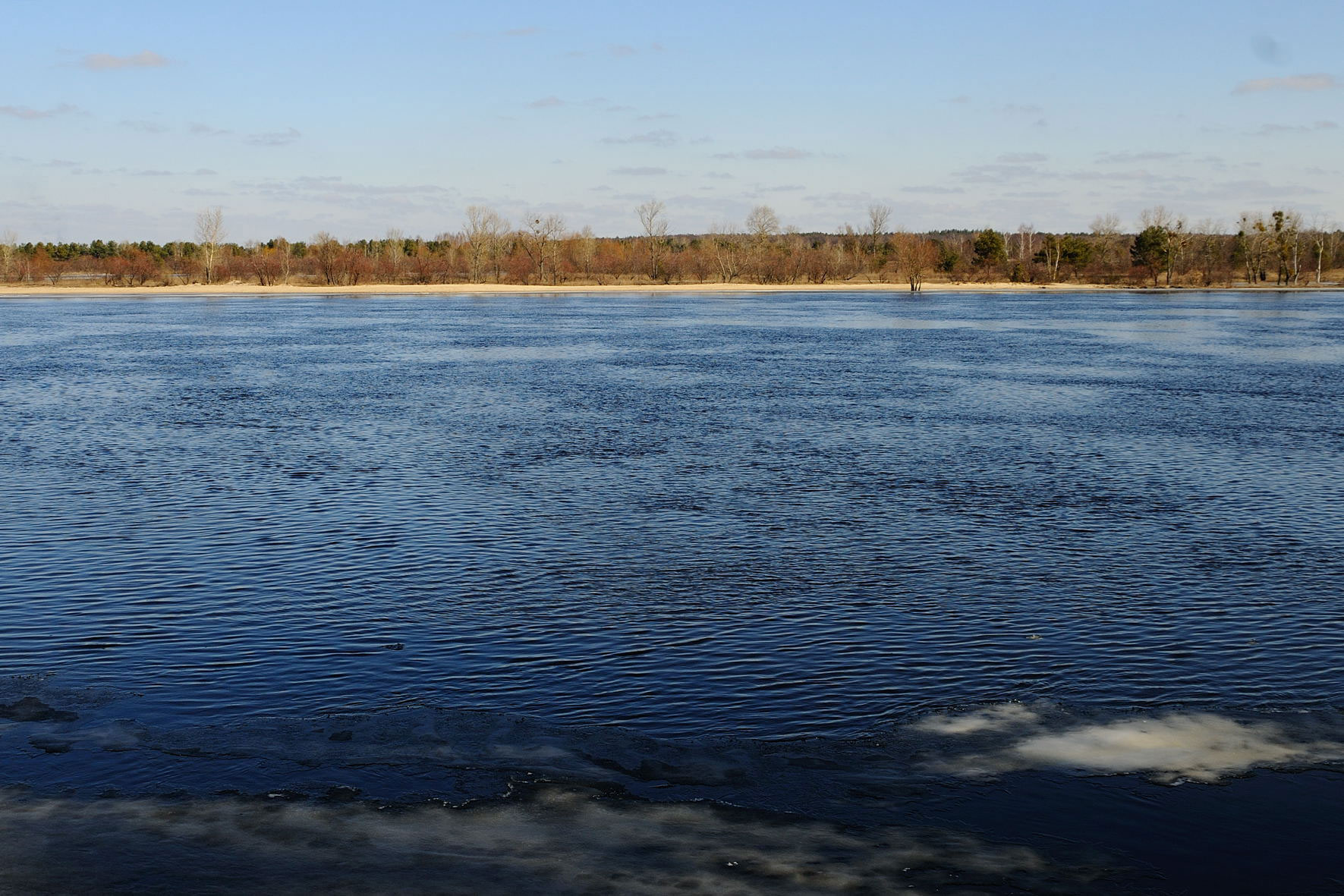
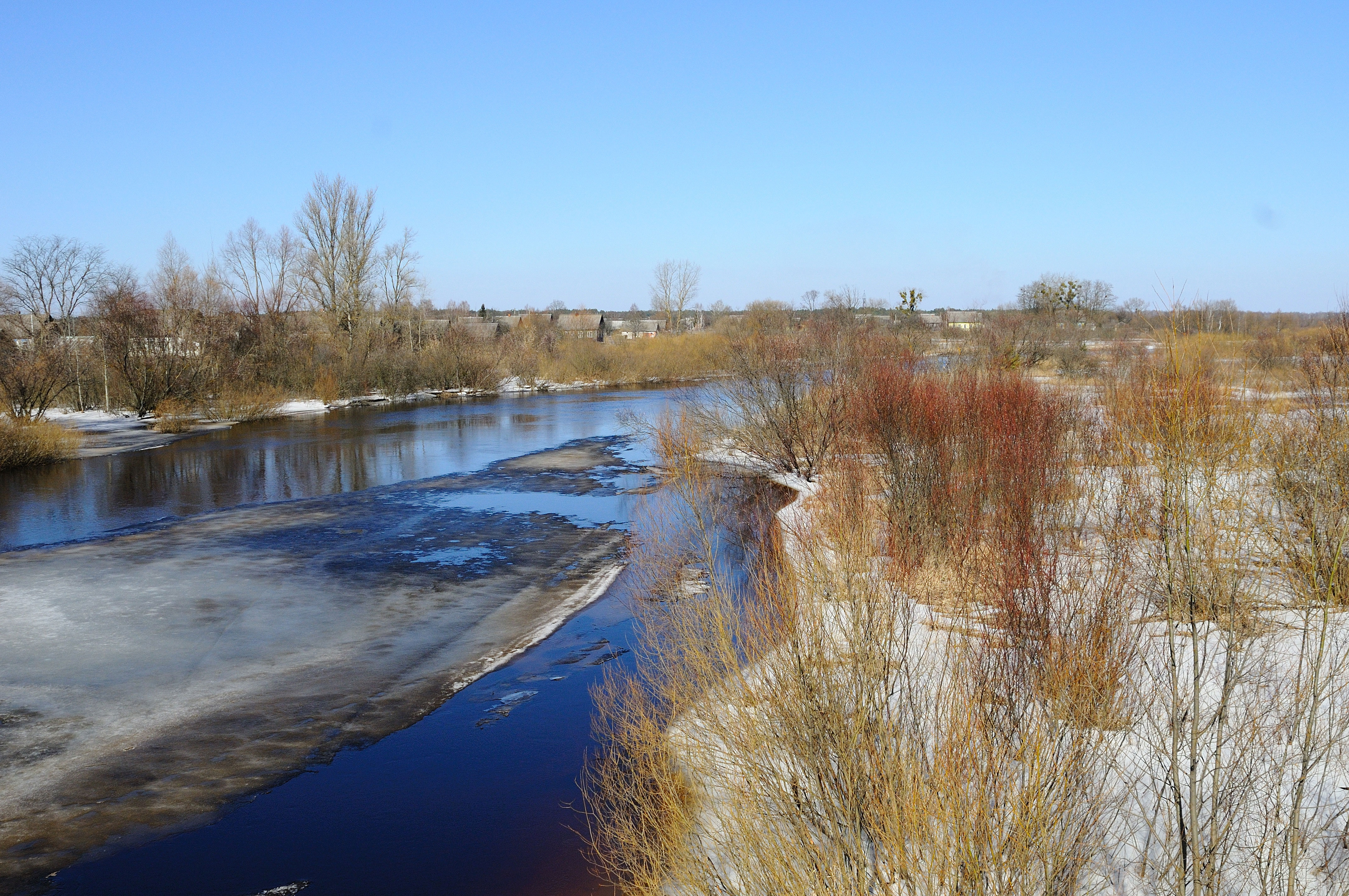
By the time I travelled to Naroŭliia, I had already lived in Belarus for several months, in a student dorm in Minsk. I was researching the Second World War and its aftermath, mainly in archives and libraries in Minsk, but I also travelled by train or bus to other cities such as Hrodna, Maladzechna, and Mahilioŭ, to visit archives and conduct oral history interviews. Without a car, though, it was difficult to travel from village to village, getting off here and there – and it was especially difficult to reach Polesia in the south, an almost mystical, sparsely settled region that stretches along the Belarusian-Ukrainian border. Defined by the mighty Pripyat River and its tributaries, Polesia (also known as Palesse in Belarusian, Polissya in Ukrainian, or Polesie in Polish) is one of the largest wetlands areas of Europe.
I had come across Polesian towns and villages in archive documents on the Second World War and its aftermath. On June 22, 1941, the German army and its allies invaded the Soviet Union, and subsequently brought Belarus, Ukraine, Lithuania, Latvia, Estonia, and parts of western Russia under its control. The ensuing years of Nazi occupation brought tremendous death and destruction throughout the western regions of the Soviet Union. As I write in Ghosts of War. Nazi Occupation and Its Aftermath in Soviet Belarus, of all the Soviet republics, indeed of all European countries, Belarus suffered proportionally the highest human losses: About 1.7–2.1 million people, or 19–22 percent of the population that by June 1941 lived in the territories that would constitute post-1945 Soviet Belarus, were killed or died as a result of the war.
As elsewhere in the German occupied territories, the Belarusian-Ukrainian border region of Polesia became the site of mass killings and atrocities against civilians: first during the Holocaust, when German units shot Polesia's Jewish communities on the outskirts of the small towns where they lived, and later during so-called anti-partisan operations, when the German military and its allies burned down scores of villages thought to be supporting Soviet partisans.
When the Red Army liberated the Soviet western regions in 1944, the population was overjoyed to see Nazi occupation end. At the same time, many people were apprehensive about the return of Soviet power as such. By the time the German army invaded the Soviet Union in 1941, the Soviet western regions and its inhabitants had already been subjected to different waves of political upheaval, rapidly changing configurations of power, and state violence. In the early 1930s, the Soviet authorities carried out the forced collectivization of agriculture, which fundamentally changed the economic and social structures of village communities. The Great Terror of 1937–38, directed against alleged enemies, again saw Soviet state violence peak. In the fall of 1939, following the Hitler-Stalin Pact, the Soviet Union invaded and then annexed eastern Poland. This westward shift of the Soviet Union's border, which was mostly retained after the war, meant for Polesia that this Belarusian-Ukrainian border region now consisted of two parts: eastern Polesia, which had been Soviet prior to 1939, and western Polesia, formerly part of eastern Poland and Soviet since 1939.
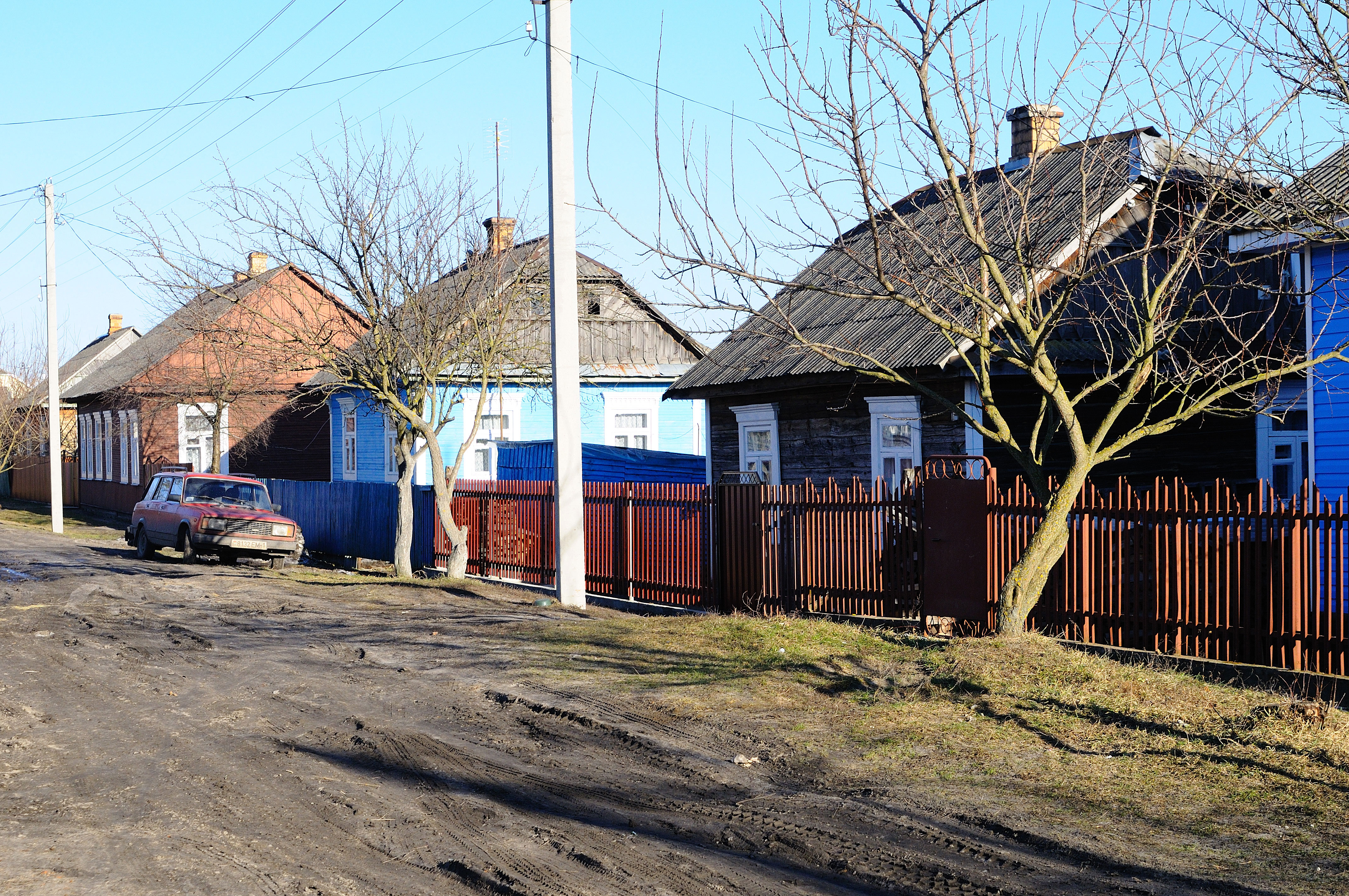
Polesia, then, had been on my mind for a while. But I had never been to the Belarusian-Ukrainian border region in person. Sitting in the reading room of the archive, leafing through one paper document after another, I felt the urge to see for myself the places mentioned in the files and to search for remnants of the past: to locate the house where a Holocaust survivor whose memoirs I was reading had grown up; to visit the small, local memorials at the execution sites, which are usually hard to find; and to locate one of the many villages that were burned down and never rebuilt. So, together with a travelling companion, I rented a car and we began our journey south.

| Into the Radioactive Zone » |